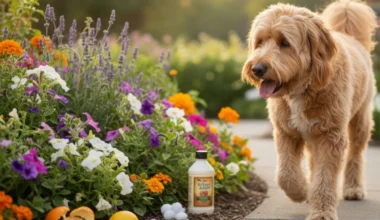
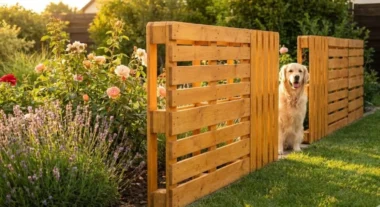
There’s nothing like stepping into your garden and smelling the fresh, fragrant aroma of basil, rosemary, and mint. Growing your own herbs is a rewarding way to add incredible flavor to your cooking and a beautiful, sensory element to your yard.
But as a dog owner, that joy comes with a crucial question: “Which ones are safe if my pup takes a nibble?” Finding truly dog-safe herbs can feel confusing, especially with all the conflicting information out there.
This guide is here to give you that peace of mind. We’ve compiled a definitive list of 10 fragrant and beneficial herbs that you can grow with complete confidence, knowing they are safe for your canine companion.
The Golden Rule of Herbs and Dogs
Before we dive into our list of fragrant and friendly plants, it’s essential to understand a few golden rules. Following these principles will ensure your herb gardening adventure is a safe and positive experience for everyone in your family, especially your four-legged members.
“Safe” Doesn’t Mean “All-You-Can-Eat”
This is the most important concept to remember. The term ‘non-toxic’ or ‘dog-safe’ means that a small, accidental ingestion of the plant is not expected to cause serious illness or poisoning. It does not mean the plant is an edible treat or a primary food source. A dog’s digestive system isn’t designed to handle large quantities of vegetation. Therefore, even with these safe herbs, if a dog were to eat an entire plant, it could still lead to mild gastrointestinal upset, like vomiting or diarrhea. Moderation is always key.
Always Consult Your Veterinarian
The information in this guide is for educational purposes. However, you should always consult your veterinarian before intentionally adding any new herbs or supplements to your dog’s diet for health reasons. Every dog is an individual, and a vet who knows your pet’s specific health history can provide the best guidance, especially if your dog has pre-existing conditions, allergies, or is on medication.
As the American Veterinary Medical Association (AVMA) advises, a good relationship with your vet is the best way to ensure your pet gets the care they need.
Pesticide-Free is a Must
This rule is non-negotiable. Any herb that your dog might be able to access must be grown organically. Do not use chemical pesticides, herbicides, or non-organic fertilizers on or around your herb garden. Your dog can’t tell the difference between a clean leaf and one that has been sprayed with potentially harmful chemicals. Always choose pet-safe, organic gardening practices to keep your herbs pure and your dog safe.
Our Top 10 Dog-Safe Herbs for Your Garden
Now for the fun part! Here is a list of ten wonderful, fragrant, and delicious herbs that you can plant with confidence, knowing they are non-toxic to your canine companion.
1. Basil
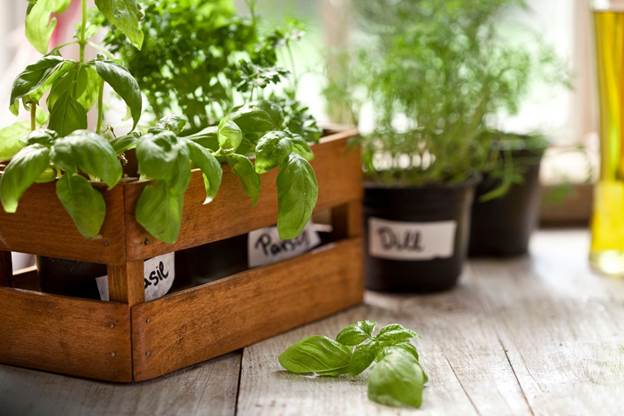
- Why It’s Safe & Good: This beloved kitchen herb is completely safe for your dog. A small nibble of a fresh basil leaf is harmless. In fact, basil is packed with antioxidants and has well-known anti-inflammatory and anti-microbial properties, making it a healthy little green for your pup in moderation.
- Growing Tips: Basil is a sun-worshipper and needs at least six hours of direct sunlight each day. It thrives in rich, consistently moist, and well-drained soil. To encourage a bushier, fuller plant, be sure to pinch off the flower buds as they appear.
- Design Ideas: Basil is perfect for growing in containers on a sunny deck or patio for easy access from the kitchen. It also works wonderfully as a fragrant border plant in your main vegetable garden.
- How to Share with Your Dog: Tear a small, fresh leaf into tiny pieces and sprinkle it over your dog’s regular food as a flavorful and healthy garnish.
2. Rosemary
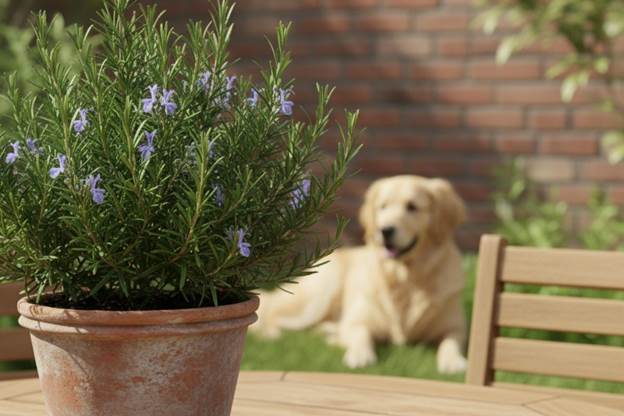
- Why It’s Safe & Good: Rosemary is a hardy, fragrant, and woody herb that is also safe for dogs. It’s a good source of antioxidants, iron, and calcium. Its strong, pleasant scent is also thought to be a natural flea repellent in the garden, which is an added bonus for pet owners.
- Growing Tips: This Mediterranean native loves full sun and well-drained, sandy soil. It is very drought-tolerant once it’s established and prefers to be kept on the drier side.
- Design Ideas: Rosemary can be grown as a low hedge, a standalone shrub, or in a large pot. Trailing varieties are beautiful spilling over the edges of a raised garden bed or a retaining wall.
- How to Share with Your Dog: A very small amount of the fresh, chopped needle-like leaves can be sprinkled on your dog’s food. Do not use rosemary essential oil, which is far too concentrated.
3. Thyme
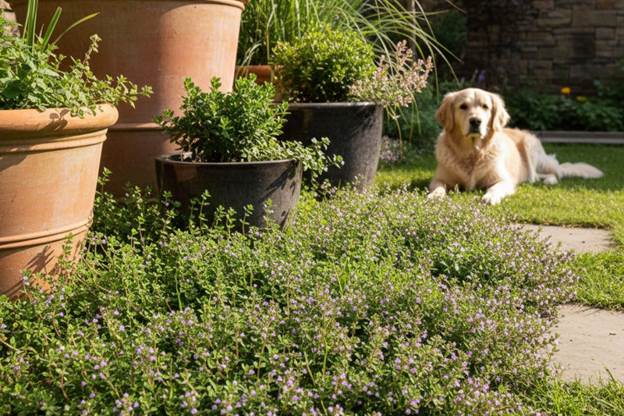
- Why It’s Safe & Good: Thyme is another robust, dog-safe herb that’s easy to grow. It contains antioxidants and is known for its natural antibacterial and antifungal properties, which can even support good dental health in dogs.
- Growing Tips: Thyme needs full sun and very well-drained soil; it absolutely hates wet feet. It is extremely drought-tolerant. Creeping varieties are particularly hardy.
- Design Ideas: Low-growing creeping thyme is a fantastic choice for planting between stepping stones on a DIY dog-friendly garden path, as it can withstand light foot traffic and releases a lovely scent when brushed against.
- How to Share with Your Dog: A tiny pinch of dried or fresh thyme leaves can be added to your dog’s meal.
4. Parsley
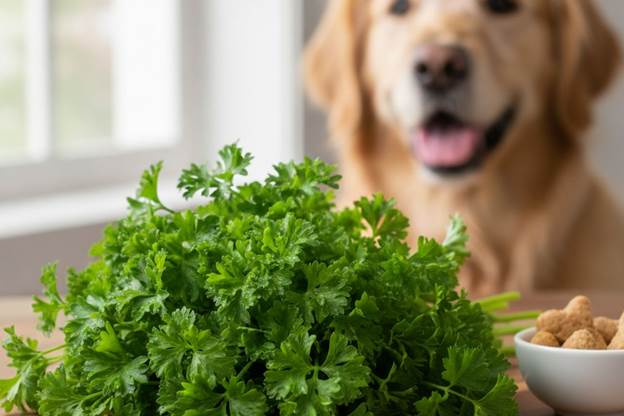
- Why It’s Safe & Good: Both flat-leaf (Italian) and curly-leaf parsley are safe for dogs. This popular herb is a nutritional powerhouse, rich in vitamins K, C, and A. Additionally, it’s famous for its ability to help freshen a dog’s breath due to its chlorophyll content.
- Growing Tips: Parsley prefers full sun to light shade and rich, moist soil. It’s a biennial, often grown as an annual.
- Design Ideas: Its bright green, textured leaves make it a beautiful edging plant for both vegetable gardens and flower beds.
- How to Share with Your Dog: Chop a small amount of fresh parsley and add it to your dog’s food for a vitamin boost and fresher breath.
- Expert Tip: Be aware of Spring Parsley (also called poison hemlock). It is a toxic weed that looks similar to parsley. Only use parsley that you have planted yourself from a reliable source.
5. Mint
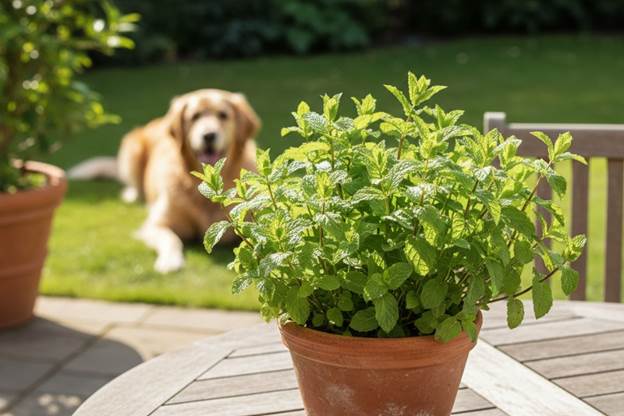
- Why It’s Safe & Good: Mint is a refreshing, fast-growing herb that is safe for dogs in small quantities. It is well-known for its ability to aid digestion and soothe an upset stomach. It also helps to freshen breath.
- Growing Tips: Mint is incredibly aggressive and will quickly take over a garden bed. Therefore, it is highly recommended that you grow it in a container to keep its spreading runners contained. It prefers rich, moist soil and can tolerate some shade.
- Design Ideas: Keep mint in pots on your patio or deck. This keeps it under control and makes it easy to grab a few leaves for a drink or a recipe.
- How to Share with Your Dog: A single, fresh mint leaf, finely chopped, is more than enough for a medium-sized dog.
- Critical Warning: Never allow your dog near English Pennyroyal. It is a member of the mint family that is highly toxic to dogs and can cause liver failure.
6. Oregano
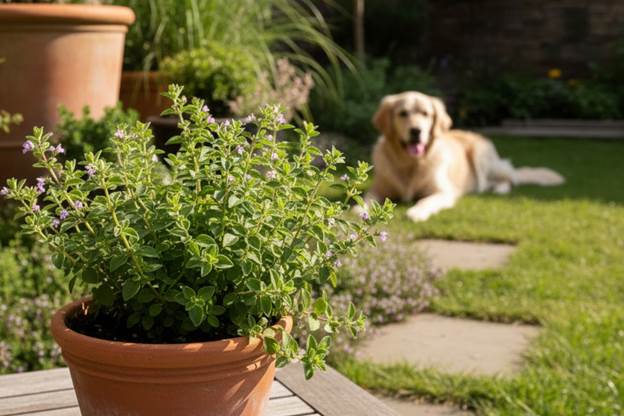
- Why It’s Safe & Good: A staple in Italian cooking, oregano is also safe for your dog. It’s a powerful antioxidant and has antifungal properties. In moderation, it can be a healthy addition to a dog’s diet.
- Growing Tips: Like many other Mediterranean herbs, oregano loves full sun and well-drained soil. It is very hardy and drought-tolerant.
- Design Ideas: Oregano makes a wonderful, low-maintenance ground cover in a sunny, dry part of your garden. It also grows very well in containers.
- How to Share with Your Dog: A small sprinkle of fresh or dried oregano over your dog’s food can be beneficial.
7. Sage
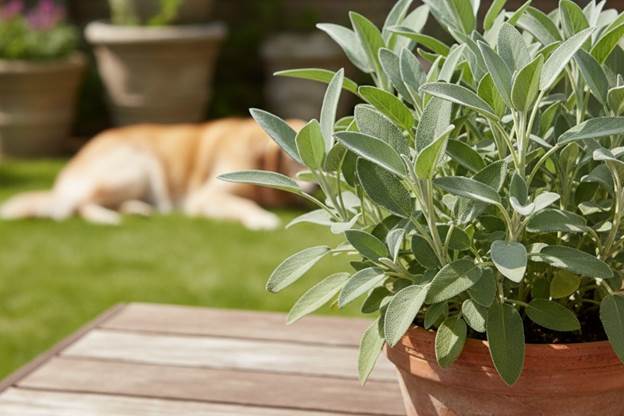
- Why It’s Safe & Good: The same sage you use for your Thanksgiving stuffing is safe for your dog. It’s known for its antimicrobial properties and is packed with antioxidants.
- Growing Tips: Sage is another sun-lover that requires very well-drained soil. It’s a hardy perennial that will grow into a small, attractive shrub over time.
- Design Ideas: The silvery-green foliage of sage provides a beautiful color and texture contrast against other green plants in a garden bed or container.
- How to Share with Your Dog: A single, finely chopped fresh sage leaf is a good amount for a medium to large dog.
8. Dill
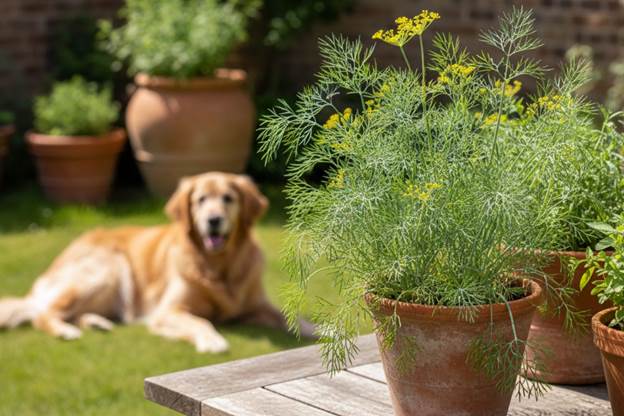
- Why It’s Safe & Good: With its feathery leaves and unique flavor, dill is a great addition to a garden and is safe for dogs. It’s known to help calm the stomach and can aid in digestion. It’s also a good source of antioxidants.
- Growing Tips: Dill prefers full sun and well-drained soil. It is a favorite of swallowtail butterfly caterpillars, so be prepared to share!
- Design Ideas: The tall, airy texture of dill looks wonderful planted at the back of a flower bed or herb garden, adding movement and a soft texture.
- How to Share with Your Dog: Sprinkle a small amount of chopped fresh dill over their food.
9. Chamomile
- Why It’s Safe & Good: Chamomile is famous for its natural calming properties, and it’s safe for dogs. It’s often used to help soothe an anxious dog or relieve mild stomach upset.
- Growing Tips: Roman chamomile is a low-growing perennial, while German chamomile is a taller, self-seeding annual. Both prefer full sun and well-drained soil.
- Design Ideas: Roman chamomile can be used as a fragrant, flowering ground cover. German chamomile is a lovely, delicate addition to a cottage-style garden bed.
- How to Share with Your Dog: A well-diluted, cool chamomile tea can be added to your dog’s water (with vet approval), or a small sprinkle of the dried flowers can be added to their food.
10. Ginger
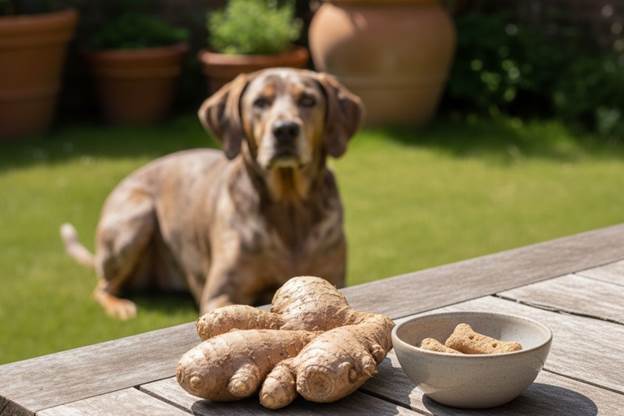
- Why It’s Safe & Good: While you can grow the ginger plant, it’s the root (rhizome) that is famous for its health benefits. Ginger is incredibly effective at soothing nausea and aiding digestion, and it is safe for dogs.
- Growing Tips: Ginger is a tropical plant that needs a warm, humid environment with rich soil and partial shade. It’s often best grown in a pot that can be brought indoors in cooler climates.
- Design Ideas: The leafy plant itself has a tropical look that can add a lush feel to a shady patio corner.
- How to Share with Your Dog: A very small amount of grated fresh ginger (with the skin removed) can be mixed into your dog’s food to help with an upset stomach. Always consult your vet for proper dosage.
3 Common Herbs to AVOID in a Dog-Friendly Garden
Just as important as knowing what’s safe is knowing what to avoid. While the list of toxic herbs is long, here are a few common ones that you should never plant in an area accessible to your dog.
- Chives (and all Alliums): This is the most critical group to avoid. Chives, garlic, leeks, and onions are all members of the Allium family. They are all toxic to dogs and can cause serious damage to their red blood cells, leading to a dangerous condition called anemia.
- St. John’s Wort: While often grown as a medicinal herb for humans, St. John’s Wort is toxic to dogs. It can cause photosensitivity (making them prone to sunburn) as well as digestive upset and skin inflammation.
- Marjoram: This common culinary herb is another one to keep out of your dog-friendly garden. Ingestion can cause significant and prolonged gastrointestinal upset, including vomiting and diarrhea.
This is just a brief overview of risky herbs. For a more exhaustive list of dangerous plants of all types, including common flowers and shrubs, our pillar post, The Ultimate List of 30+ Common Garden Plants That Are Toxic to Dogs, is your essential safety guide.
Integrating Your Herb Garden into Your Yard
An herb garden is a wonderful, fragrant, and functional addition to your yard. You can plant them in dedicated containers on your patio for easy access from the kitchen, or you can integrate them directly into your main garden beds. They are a fantastic way to introduce new scents and textures for your dog to explore safely.
Your new dog-safe herbs can be paired beautifully with other non-toxic plants. To find colorful, safe companions for your new herb garden, check out our comprehensive guide to 15 Beautiful Flowers That Are Completely Safe for Dogs.
To learn how to best place your new herb garden within a larger, dog-friendly landscape—complete with durable paths, protected planting zones, and dedicated play areas—our ultimate guide on how to design a garden layout that your dog won’t destroy has all the information and inspiration you need.
Conclusion
As you can see, you can absolutely have a beautiful and fragrant herb garden that is also perfectly safe for your curious dog. By choosing from this list of safe options and being mindful to avoid the risky ones, you can add wonderful flavor to your food and delightful fragrance to your garden without a single worry.
Now you have a list of 10 wonderful dog-safe herbs to start with. You can plant your culinary garden with confidence, knowing that an accidental nibble from your furry friend won’t result in an emergency. Happy, safe gardening to you and your pup!