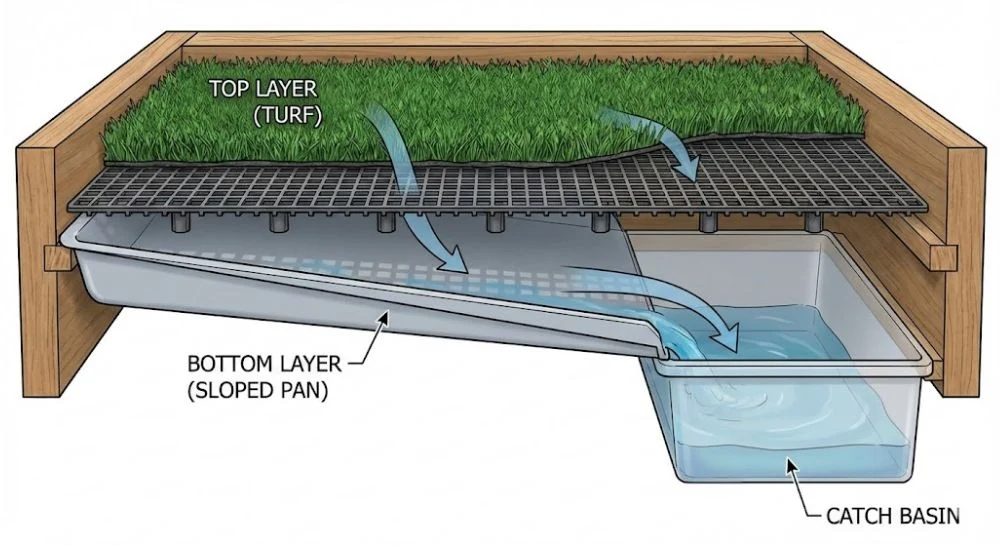
A DIY dog potty area with drainage is a custom-built sanitation station designed to route liquid waste away from the surface, preventing bacterial buildup and odors. Key components include a permeable top layer (like artificial grass or pea gravel), a sub-surface drainage grid or sloped pan, and a secure catch basin for easy disposal and cleaning.
Whether you are navigating the 3 AM elevator struggle in a high-rise or battling yellow spots on your pristine lawn, the core problem is identical: stationary urine creates ammonia. The difference between a sanitary zone and a health hazard isn’t just the surface material, but the drainage gradient beneath it. Without a mechanism to separate liquid waste from the contact surface, you are essentially creating a sponge for bacteria. This guide moves beyond basic mats to engineer a porch potty DIY plan that actively manages waste. If you are looking for a comprehensive breakdown, check out our step-by-step guide on how to create a designated dog potty area to see how this fits into a larger training plan.
Top Outdoor Dog Toilet Drainage Ideas for Smell-Free Living
When designing a DIY dog toilet for concrete patio spaces or balconies, gravity is your most valuable tool. The goal is to create a “pass-through” system where urine never pools. To achieve this, you need to construct vertical separation between where your dog stands and where the waste collects.
The most effective outdoor dog toilet drainage ideas rely on an air gap. By using plastic interlocking deck tiles or a crate grid as a sub-layer, you elevate the surface material. This allows air to circulate beneath the turf or gravel, speeding up the drying process and preventing the anaerobic conditions that cause that eye-watering smell. For portable setups, a corrugated roofing panel placed at a slight angle inside your box can act as a lightweight, waterproof sluice to guide liquid directly into a drain or tray.
Pro Tip: Don’t rely solely on water to clean your drainage system. Once a week, flush the system with an enzyme cleaner designed for pets. These bio-active cleaners eat the uric acid crystals that water leaves behind, neutralizing the source of the odor rather than just masking it.
Choosing the Right Base: Gravel vs Mulch for Dog Potty Area
Selecting the right aggregate is critical for maintaining a permeable surface. Many homeowners make the mistake of choosing materials based on aesthetics rather than infiltration rate.
When debating gravel vs. mulch for dog potty-area foundations, the winner for drainage is clear. Wood mulch acts like a sponge; it absorbs urine, retains moisture, and eventually decomposes into a sludge that is impossible to sanitize. Conversely, stone aggregates allow liquids to pass through instantly. This concept is central to creating a dog-friendly garden without grass, where avoiding mud and mess is the top priority.
A pea gravel dog potty area is often the gold standard for budget builds because the smooth, round stones are gentle on paws while offering excellent drainage. If you want something softer yet durable, consider the best dog-safe ground covers for high-traffic areas as alternatives to standard gravel.
However, if you are building a permanent crushed stone dog run in the backyard, ensure you use “washed” stone without the dust (fines). Stone dust packs down like cement when wet, blocking your drainage and creating puddles.
Comparison: Top Surface Materials for Drainage
| Material | Drainage Speed | Odor Control | Paw Comfort | Maintenance Level |
| Pea Gravel | High | High (Easy to rinse) | Medium (Can get hot) | Low (Rake occasionally) |
| Artificial Turf | Medium/High | Medium (Requires enzymes) | High (Soft) | Medium (Weekly rinsing) |
| Wood Mulch | Very Low | Low (Absorbs smell) | High | High (Replace frequently) |
| Sand | Medium | Low (Retains moisture) | High | High (Turn over often) |
Warning: Never use cocoa bean mulch for your dog’s potty area. While it smells nice to humans, it contains theobromine (the same toxic compound in chocolate) and can be fatal if your dog ingests it. Stick to inorganic materials like stone or non-absorbent synthetic turf. ASPCA Toxic Plant List
Step-by-Step Guide on How to Build a Dog Run with Drainage on a Deck
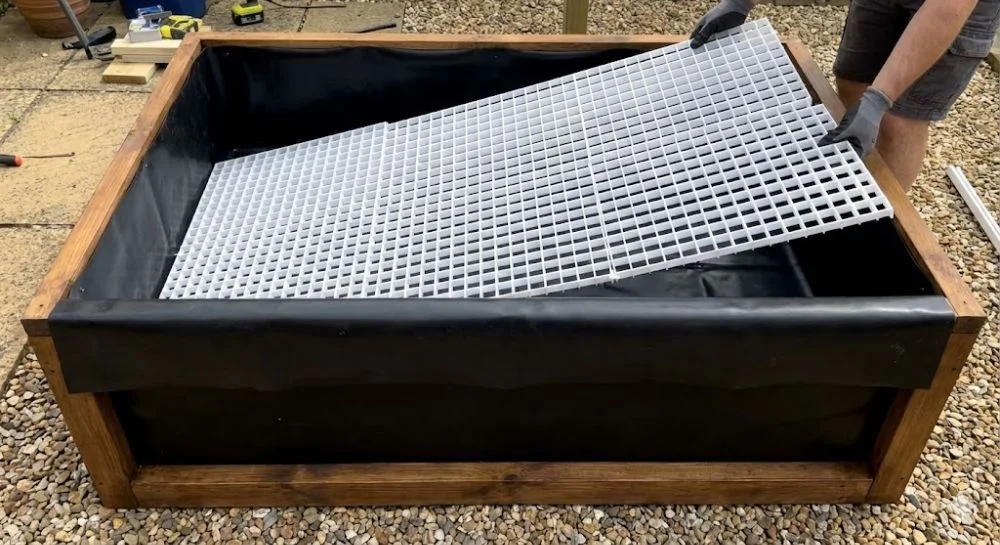
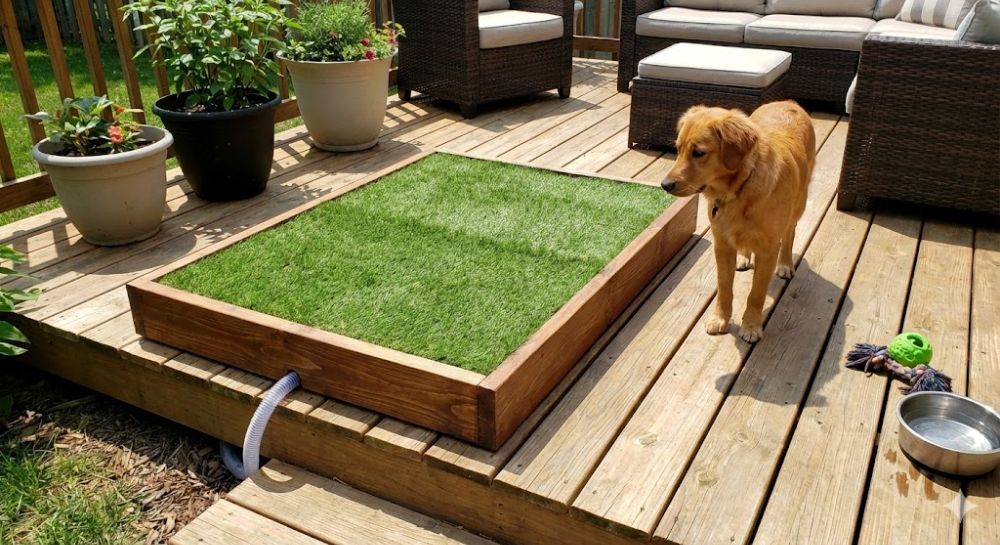
Building a portable dog potty with drainage requires a “box-within-a-box” or a “sloped pan” approach. Here is how to construct a durable unit that won’t rot your deck.
- Build the Frame: Construct a rectangular frame using pressure-treated 2×6 lumber. Size it according to your dog’s length—they need room to circle before squatting.
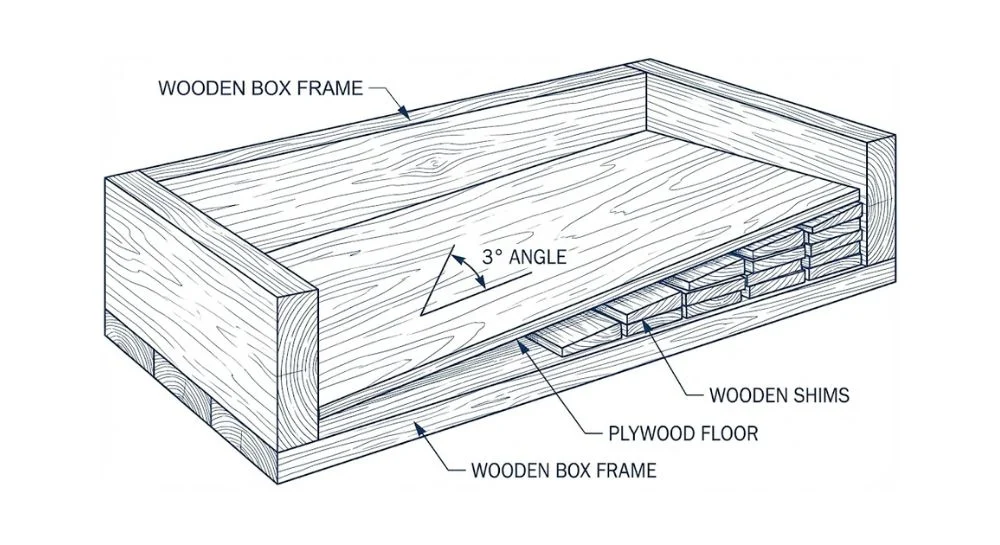
- Create the Slope: Inside the frame, install a plywood bottom, but use shims to raise one end 1-2 inches higher than the other. This creates the necessary pitch for liquid flow.
- Waterproof the Basin: Line the entire interior with a thick pond liner or a heavy-duty shower pan membrane. Ensure the liner goes up the sides to prevent leakage.
- Install the Drain: At the lowest point of your slope, install a shower drain assembly. Connect this to a bucket underneath or a tube directed to your patio drain.
- Add the Grid: Place plastic egg-crate lighting panels or kennel decking over the liner to create your air gap.
If you are wondering how to build a dog run with drainage that is lighter, you can modify a large plastic washing machine tray or an under-bed storage bin. The key is drilling a hole for a spout so you aren’t trying to lift a urine-filled tray to empty it.
Upgrading to Artificial Grass for Dogs with Drainage Systems
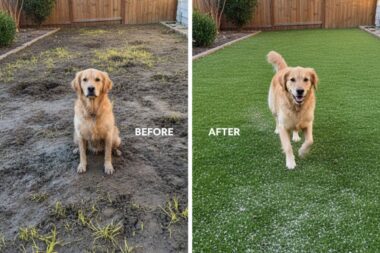
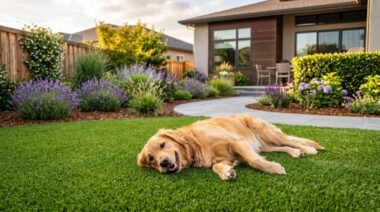
If you want the lush look of a lawn without the brown patches, artificial grass for dogs with drainage is the answer. However, do not buy standard carpet-store turf. You need “pet turf,” which features a knitted backing rather than a solid urethane backing, allowing 100% of liquids to flow through immediately.
When installing artificial turf for dogs, drainage layers, never use rubber crumb infill. Rubber retains heat and traps odors. Instead, use a silica sand or zeolite infill. Zeolite is a natural volcanic mineral that captures ammonia molecules, neutralizing smells on contact. Secure the turf to your grid system using zip ties or heavy-duty clips, ensuring it is taut so your dog doesn’t dig it up.
Pro Tip: If your dog is hesitant to use the artificial grass, harvest a small amount of their urine on a paper towel and place it on the new turf. The scent marker will signal that this new DIY dog potty area is the correct spot to go.
Bringing the Dog Potty Station for Backyard Comfort to Your High-Rise
A functional dog potty station for backyard utility doesn’t have to look industrial. To keep your “Lawn Preservationist” aesthetic intact, disguise the mechanics. Use a wooden fascia to hide the plastic catch bucket underneath.
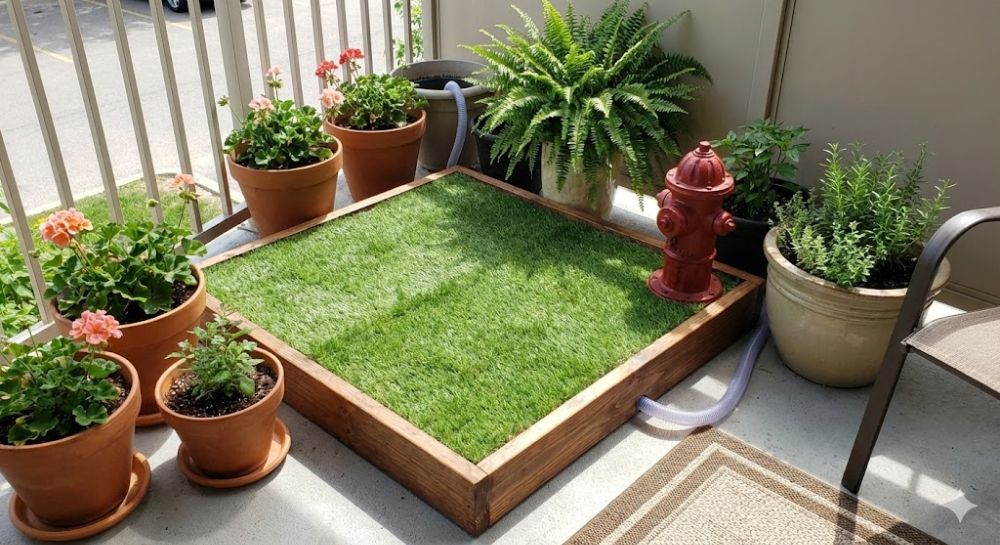
Psychology plays a huge role here. Dogs often prefer vertical targets. Adding a “pee post”—like a piece of driftwood, a smooth rock, or a faux fire hydrant—anchored into your pea gravel dog potty area can encourage male dogs to mark that specific spot rather than the edge of the box.
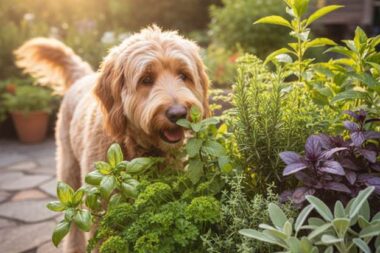
To make the space feel like a true oasis, surround the potty area with pots of beautiful flowers that are completely safe for dogs. Plants like Spider Plants or Boston Ferns provide visual privacy and a garden feel without risking toxicity. This fits perfectly into the philosophy of designing a garden layout that your dog won’t destroy, even if that “garden” is on a 5th-floor balcony.
People Also Ask (FAQ)
What is the best base for a dog potty area?
Pea gravel is the superior base for drainage and sanitation. Unlike organic mulch or dirt, the smooth stones allow urine to pass through instantly, do not absorb odors, and are easy to rinse with a hose.
How deep should a gravel dog potty area be?
A functional gravel area should be at least 4 to 6 inches deep. This depth ensures that urine flows to the bottom soil or drainage layer quickly, keeping the surface rocks dry and clean for your dog’s paws.
Does artificial grass for dogs smell?
Artificial grass will smell if it lacks proper drainage or infill. To prevent odors, use turf with a fully permeable backing, install it over a drainage grid, and use zeolite infill to trap ammonia gases.
Final Thoughts
Creating a DIY dog potty area with drainage is one of the highest-ROI projects you can do for your apartment or home. By prioritizing the “mechanics” of the build—specifically the air gap and the slope—you solve the odor problem before it starts. Whether you opt for a sleek portable dog potty with drainage or a permanent gravel run, the result is a cleaner home and a happier pet.