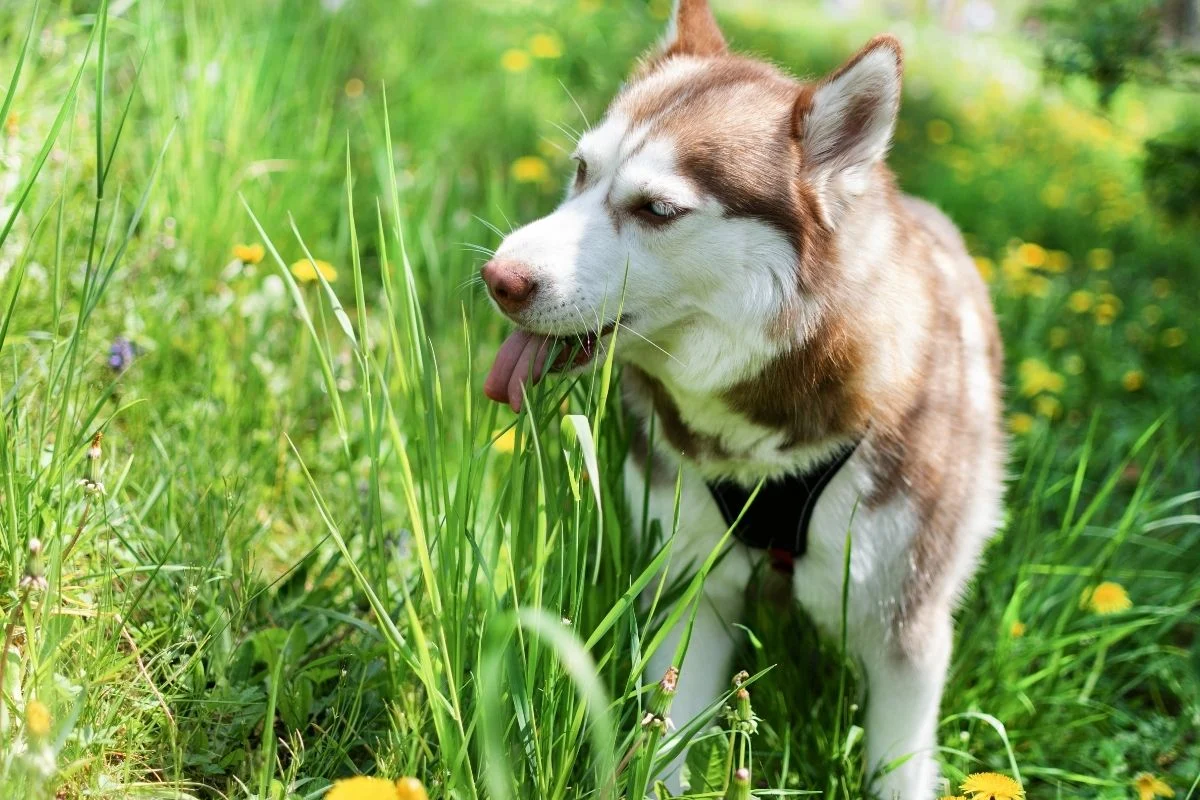
Designing a beautiful garden is a joy, but for a dog owner, it raises a critical question: Is this space truly safe for my curious canine companion? Many of the most popular and beautiful garden plants can, unfortunately, pose a serious risk to our pets. This comprehensive guide will be your go-to resource. We’ll identify over 25 common but toxic plants for dogs, show you the symptoms of poisoning, and provide you with exact instructions on what to do in an emergency. Your garden can be both beautiful and safe, and it all starts with knowledge.
! IMPORTANT SAFETY WARNING!
This article is for informational purposes only. If you suspect your dog has ingested a toxic plant, contact your veterinarian or the ASPCA Animal Poison Control Center (888-426-4435) immediately. Do not wait for symptoms to appear.
First Aid: What to Do If You Suspect Your Dog Ate a Toxic Plant
If you find yourself in a moment of panic, stay calm and follow these steps. Quick action can make all the difference.
- Immediately remove your dog from the area and prevent them from eating more of the plant.
- Gently wipe out their mouth with a cool, wet cloth to remove any remaining plant matter. Do not try to make them drink or eat anything.
- Identify the plant. Take a clear photo of the plant, or bring a sample in a sealed plastic bag to the vet. Proper identification is crucial for treatment.
- Contact your veterinarian or a poison control hotline immediately. Provide the plant’s name (if you know it), the parts your dog ate, and any symptoms they are showing.
- NEVER induce vomiting unless you are specifically instructed to by a veterinary professional. It can cause more harm in some situations.
The List: 25+ Common Garden Plants Poisonous to Dogs
This list covers many of the most common plants found in gardens across North America and Europe. Always err on the side of caution with any plant not on this list or a “safe” list.
1. Azalea & Rhododendron (Rhododendron species)
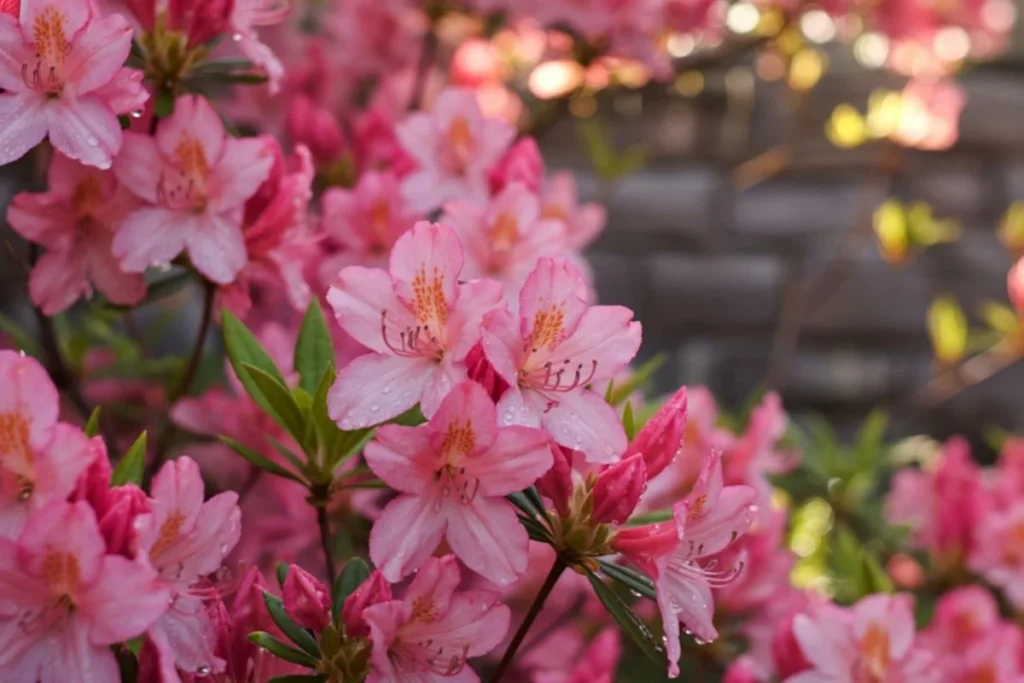
- Primary Toxic Compounds: Grayanotoxins
- Most Dangerous Parts: All parts of the plant are considered highly toxic. Ingesting just a few leaves can lead to poisoning.
- Symptoms of Ingestion: Immediate vomiting, excessive drooling, diarrhea, weakness, stumbling, and depression. In severe cases, it can lead to a drop in blood pressure, coma, and death.
- Toxicity Level: Severe
2. Daffodil (Narcissus species)
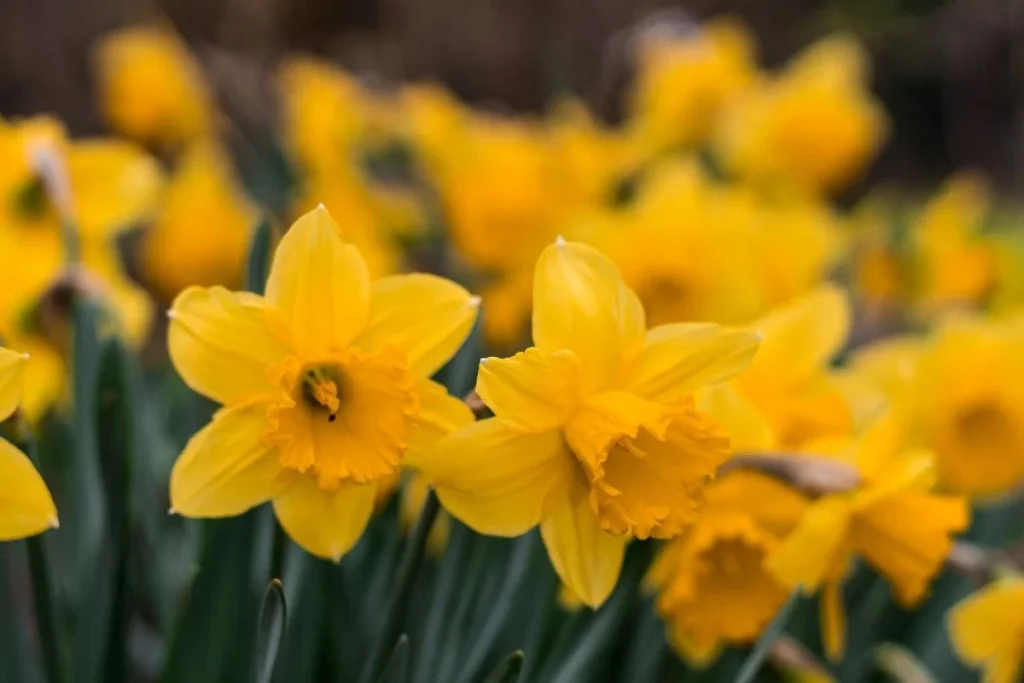
- Primary Toxic Compounds: Lycorine and other alkaloids
- Most Dangerous Parts: The bulb contains the highest concentration of toxins. However, the flowers, stems, and leaves are also dangerous, and even drinking the water from a vase of daffodils can cause illness.
- Symptoms of Ingestion: Severe vomiting, drooling, diarrhea, and abdominal pain. Ingestion of the bulb can cause more severe signs like cardiac arrhythmias, low blood pressure, and respiratory depression.
- Toxicity Level: Moderate to Severe
3. Foxglove (Digitalis purpurea)
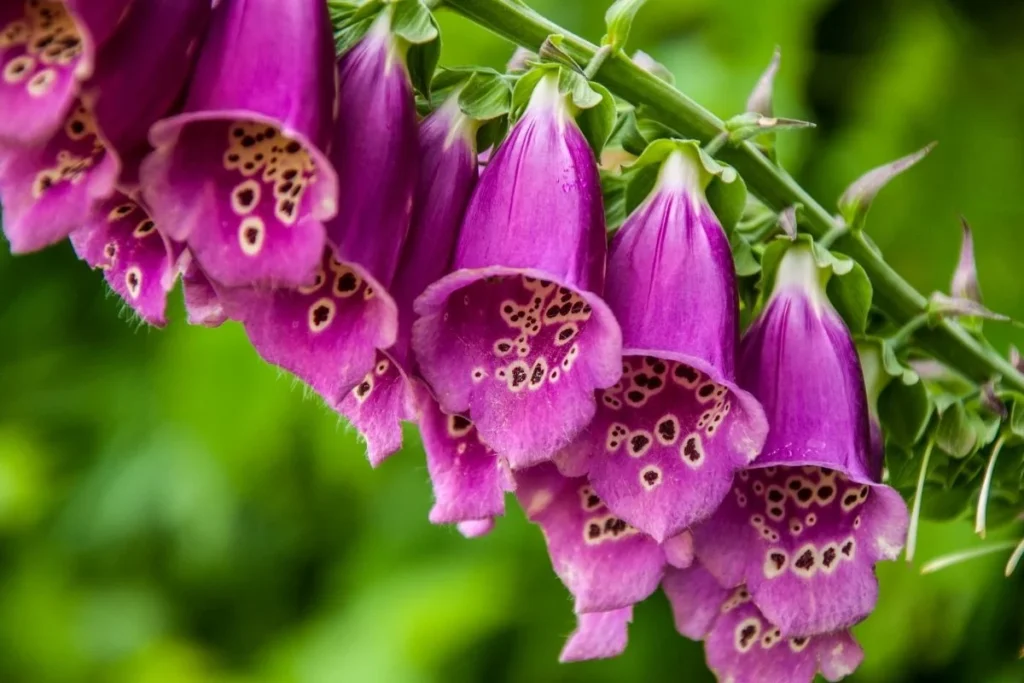
- Primary Toxic Compounds: Cardiac glycosides (digoxin and digitoxin)
- Most Dangerous Parts: All parts of the plant, including the leaves, flowers, and seeds. Even a small amount can be fatal.
- Symptoms of Ingestion: Drooling, severe vomiting, diarrhea, weakness, abnormal heart rate (either very slow or racing), cardiac failure, and death.
- Toxicity Level: Severe
4. Lily of the Valley (Convallaria majalis)
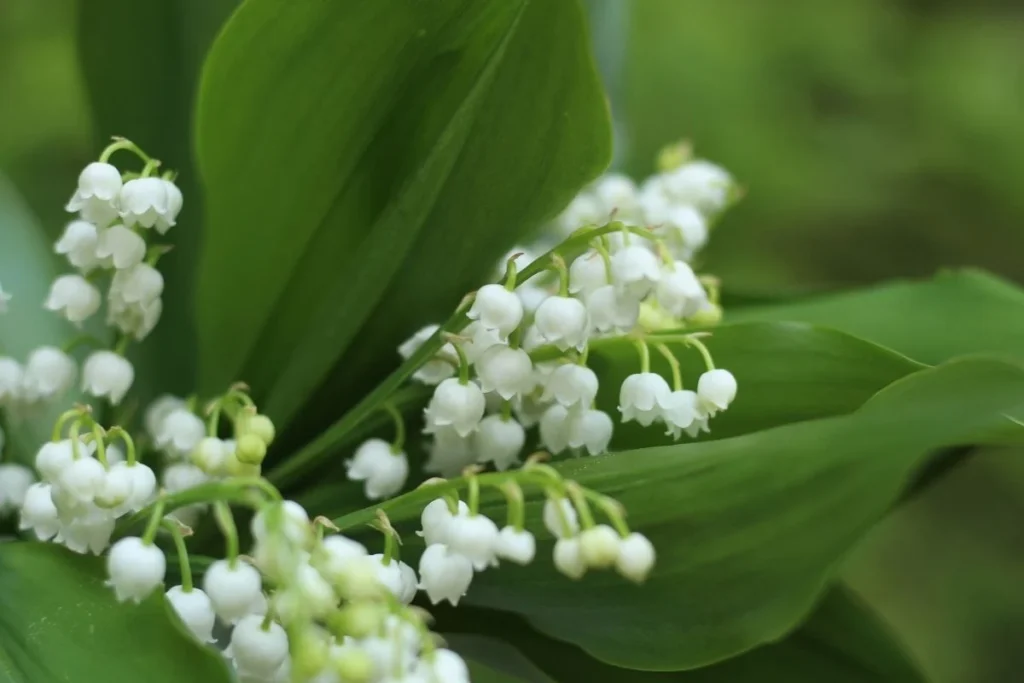
- Primary Toxic Compounds: Cardiac glycosides
- Most Dangerous Parts: The entire plant.
- Symptoms of Ingestion: Similar to Foxglove poisoning, signs include vomiting, a drop in heart rate, severe cardiac arrhythmias, and seizures.
- Toxicity Level: Severe
5. Oleander (Nerium oleander)
- Primary Toxic Compounds: Cardiac glycosides (oleandrin and neriine)
- Most Dangerous Parts: All parts of the plant are extremely toxic, even when dry. Smoke from burning oleander is also toxic.
- Symptoms of Ingestion: Excessive drooling, severe vomiting, diarrhea (may be bloody), muscle tremors, incoordination, and fatal heart abnormalities.
- Toxicity Level: Severe
6. Sago Palm (Cycas revoluta)
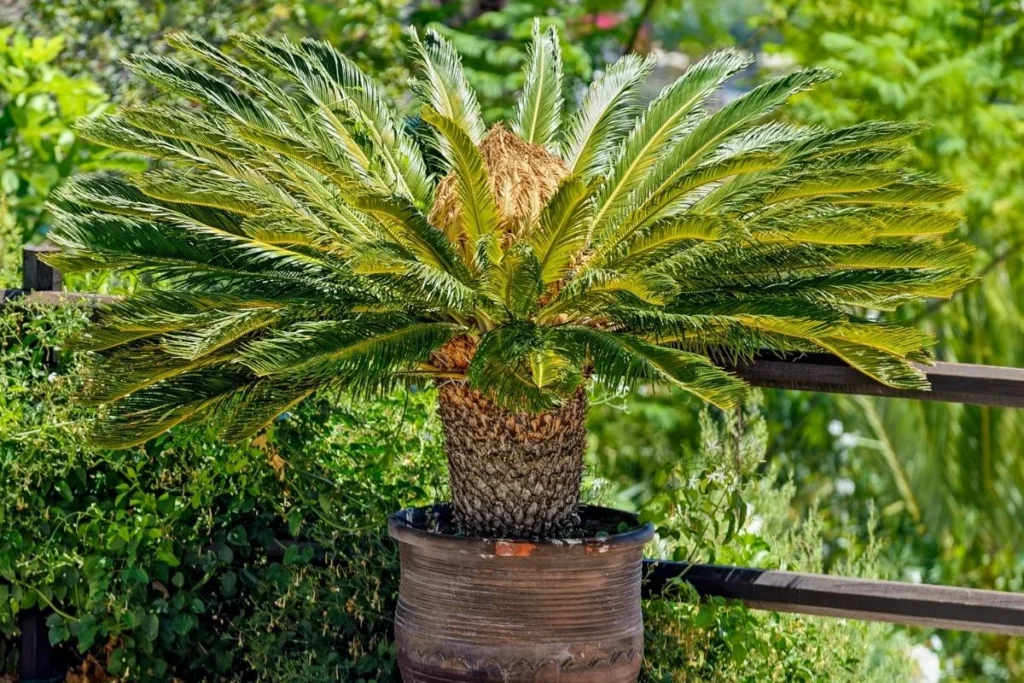
- Primary Toxic Compounds: Cycasin
- Most Dangerous Parts: All parts are toxic, but the seeds (or “nuts”) contain the highest concentration and are the most deadly. One or two seeds can be fatal.
- Symptoms of Ingestion: Symptoms may be delayed. They include vomiting (often with blood), dark/tarry stool, jaundice (yellowing gums or eyes), increased thirst, bruising, and severe, often irreversible liver failure.
- Toxicity Level: Severe
7. Tulip (Tulipa species)
- Primary Toxic Compounds: Tulipalin A and B
- Most Dangerous Parts: The bulb has the highest concentration of toxins.
- Symptoms of Ingestion: Drooling, vomiting, diarrhea, and depression. If a large number of bulbs are eaten, more severe symptoms like an increased heart rate and difficulty breathing can occur.
- Toxicity Level: Moderate to Severe
8. Rhubarb (Rheum rhabarbarum)
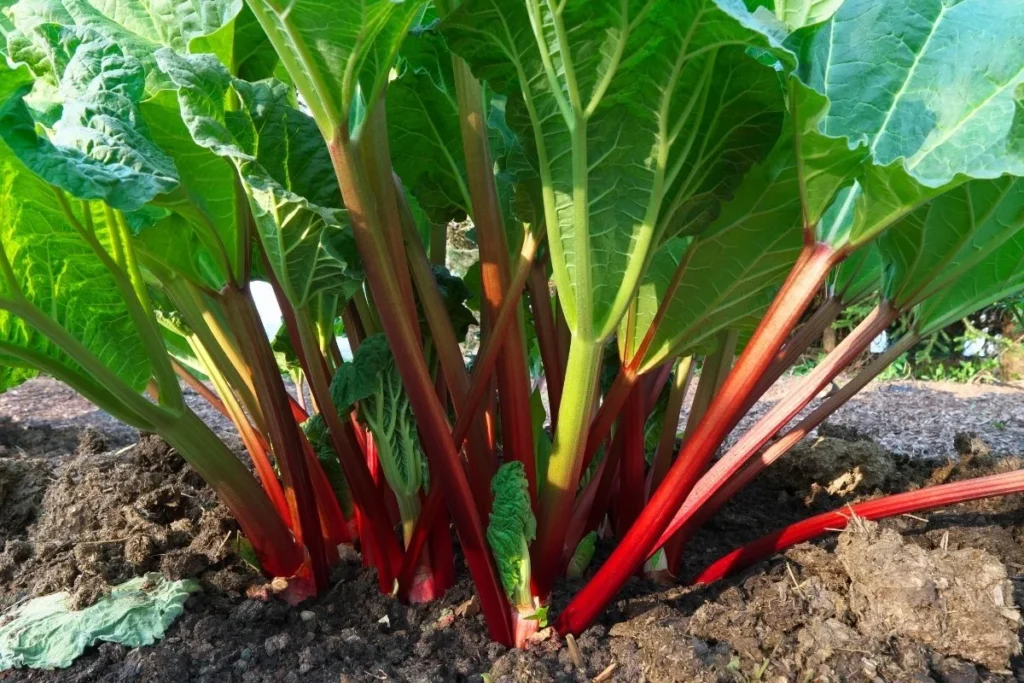
- Primary Toxic Compounds: Soluble calcium oxalate crystals.
- Most Dangerous Parts: The leaves contain a high concentration of the toxins. The red stalks are edible and commonly used in cooking, but the leaves must always be discarded.
- Symptoms of Ingestion: Unlike plants with insoluble oxalates that cause oral pain, soluble oxalates are absorbed into the bloodstream. They can cause a sudden drop in blood calcium, leading to tremors and weakness. More seriously, they can form crystals in the kidneys, leading to acute kidney failure. Other signs include severe drooling, vomiting, and lethargy.
- Toxicity Level: Moderate to Severe.
9. Hydrangea (Hydrangea macrophylla)
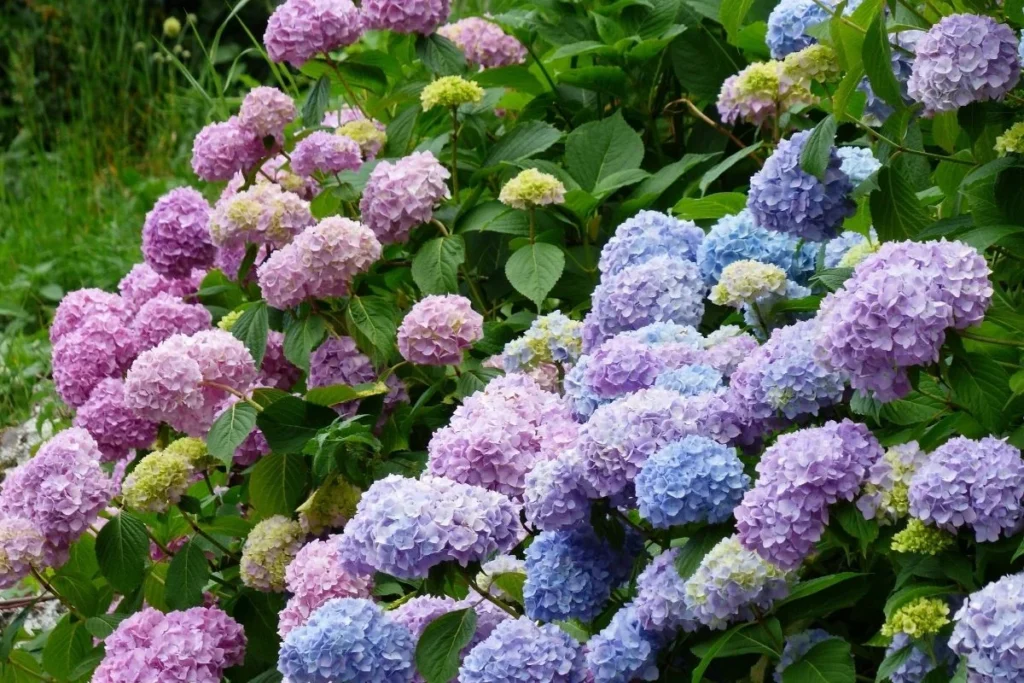
- Primary Toxic Compounds: Cyanogenic glycosides. When metabolized, these can produce cyanide.
- Most Dangerous Parts: The leaves and flower buds contain the highest concentration of the toxin.
- Symptoms of Ingestion: Vomiting, diarrhea, and general depression or lethargy. Poisoning is most likely to occur if a large quantity is ingested.
- Toxicity Level: Mild to Moderate.
10. Iris and Gladiola (Iridaceae family)
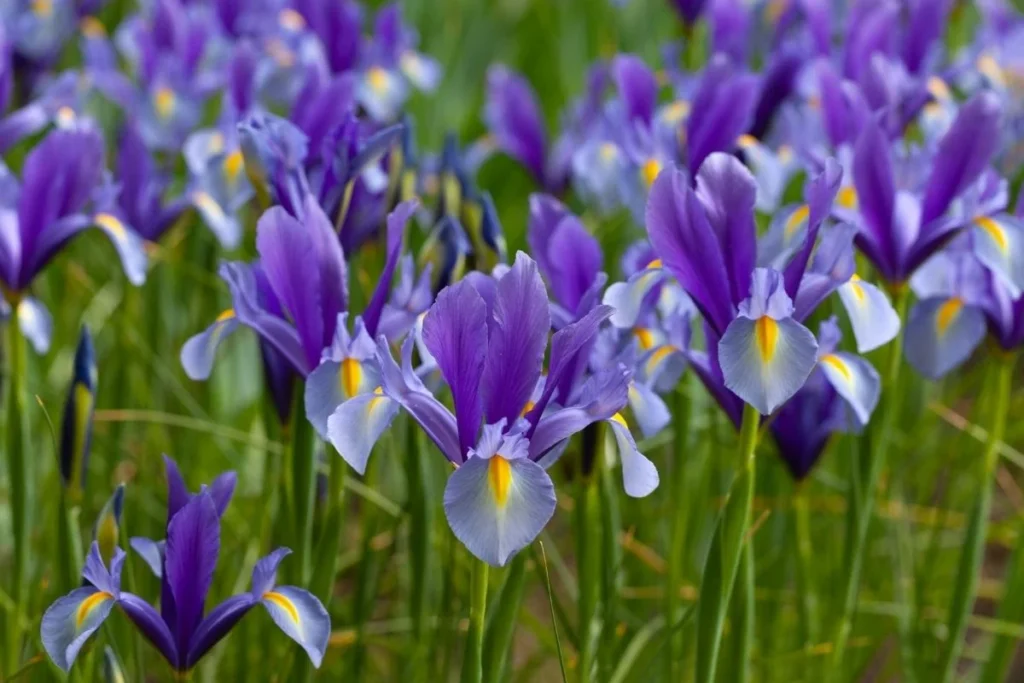
- Primary Toxic Compounds: Iridin, irisin, and other potentially irritating compounds.
- Most Dangerous Parts: The underground bulbs, corms, or rhizomes are the most toxic parts of these plants.
- Symptoms of Ingestion: The primary signs are significant gastrointestinal distress, including excessive drooling, vomiting, diarrhea, and lethargy.
- Toxicity Level: Mild to Moderate.
11. Lily of the Valley (Convallaria majalis)
- Primary Toxic Compounds: Cardiac glycosides, similar to Foxglove.
- Most Dangerous Parts: The entire plant, including the flowers, leaves, stems, and roots.
- Symptoms of Ingestion: Signs are severe and affect the heart. They include vomiting, a dangerously slow and irregular heart rate, a drop in blood pressure, disorientation, seizures, and coma.
- Toxicity Level: Severe.
12. Peony (Paeonia officinalis)
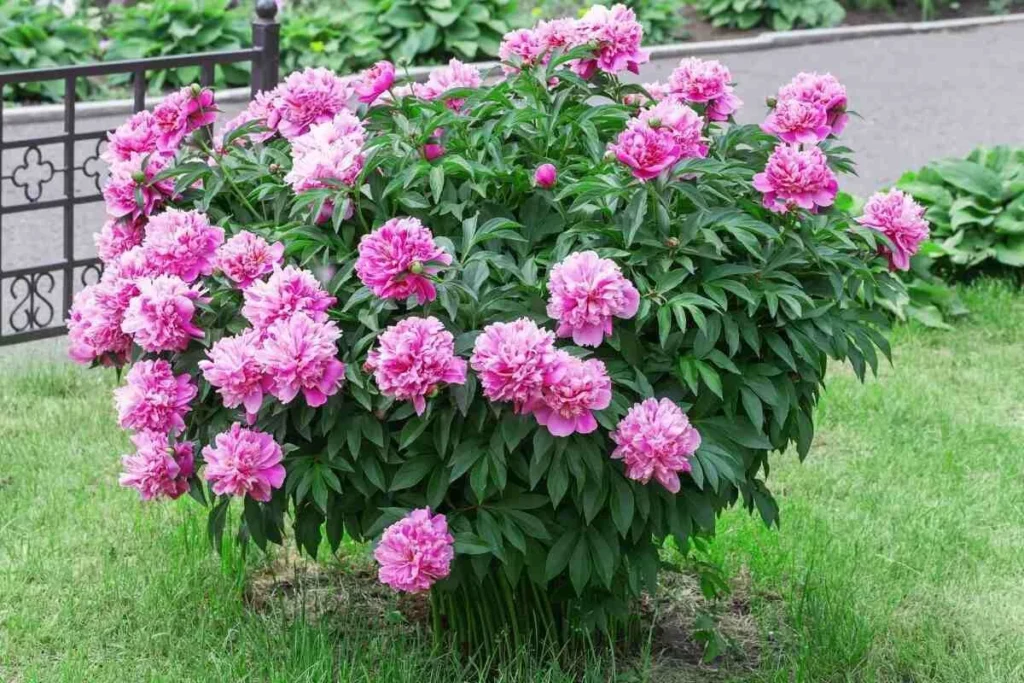
- Primary Toxic Compounds: Paeonol, a phenol.
- Most Dangerous Parts: The bark, roots, and, to a lesser extent, the flowers.
- Symptoms of Ingestion: Ingestion typically leads to mild gastrointestinal upset, such as vomiting and diarrhea. Large ingestions are uncommon due to the taste.
- Toxicity Level: Mild.
13. Yew (Taxus species)
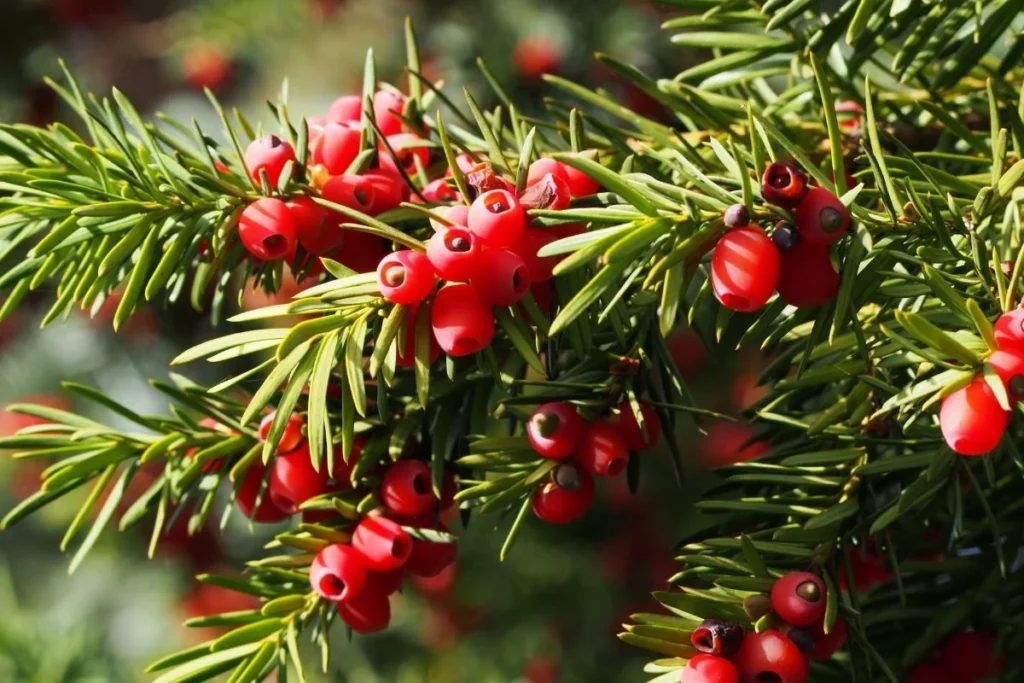
- Primary Toxic Compounds: Taxine alkaloids, which disrupt heart function.
- Most Dangerous Parts: All parts, including the needles and bark, are highly toxic. The fleshy red part of the berry is not toxic, but the seed inside is deadly.
- Symptoms of Ingestion: The onset can be very rapid. Signs include muscle tremors, drooling, vomiting, weakness, difficulty breathing, seizures, and sudden death from acute heart failure.
- Toxicity Level: Severe.
14. English Ivy (Hedera helix)
- Primary Toxic Compounds: Triterpenoid saponins.
- Most Dangerous Parts: The foliage (leaves) is more toxic than the berries.
- Symptoms of Ingestion: Vomiting, abdominal pain, excessive drooling, and diarrhea. Skin contact can also cause a rash in some dogs.
- Toxicity Level: Moderate.
15. Autumn Crocus (Colchicum autumnale)
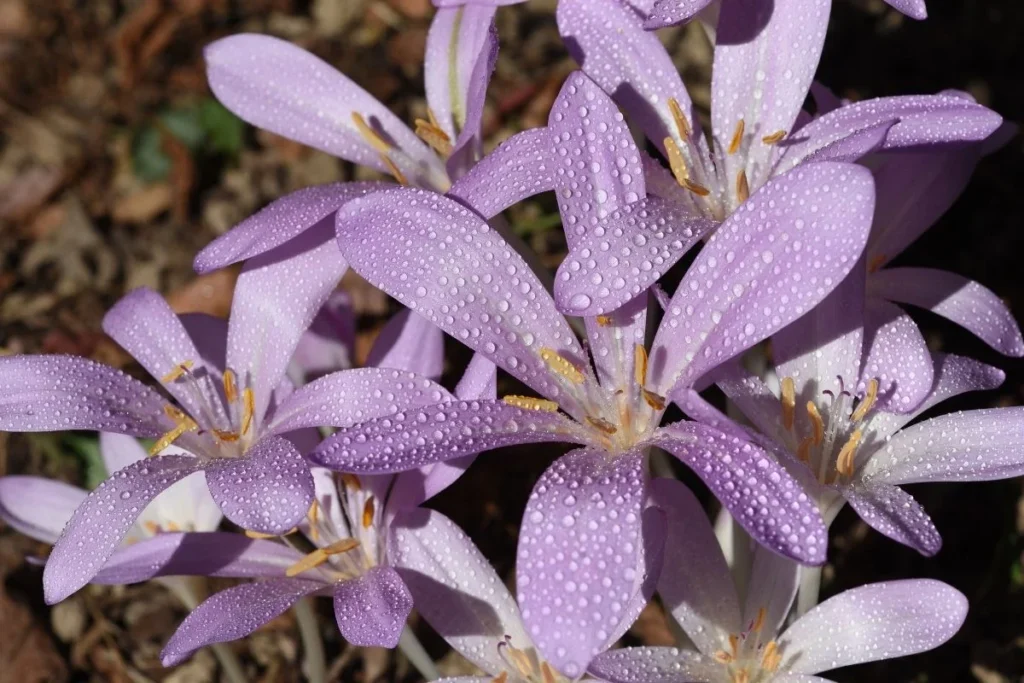
- Primary Toxic Compounds: Colchicine and other alkaloids.
- Most Dangerous Parts: All parts of the plant are highly toxic.
- Symptoms of Ingestion: Signs are severe and immediate, including a burning sensation in the mouth, bloody vomiting, severe diarrhea, shock, multi-organ damage, and bone marrow suppression.
- Toxicity Level: Severe.
16. Cyclamen (Cyclamen species)
![: A Cyclamen plant, whose toxic tubers can be dangerous to dogs.]](https://lifes101.com/wp-content/uploads/2024/09/Cyclamen-Cyclamen-species-1024x683.webp)
- Primary Toxic Compounds: Saponins.
- Most Dangerous Parts: The toxins are most concentrated in the tubers or rhizomes underground.
- Symptoms of Ingestion: Drooling, vomiting, and diarrhea. If a dog digs up and ingests a large amount of the tuber, it can lead to heart rhythm abnormalities, seizures, and death.
- Toxicity Level: Moderate to Severe.
17. Amaryllis (Amaryllis species)
- Primary Toxic Compounds: Lycorine and other alkaloids.
- Most Dangerous Parts: The bulb is the most toxic part, but all parts contain toxins.
- Symptoms of Ingestion: Vomiting, depression, diarrhea, abdominal pain, excessive drooling, and tremors.
- Toxicity Level: Moderate.
18. Castor Bean (Ricinus communis)
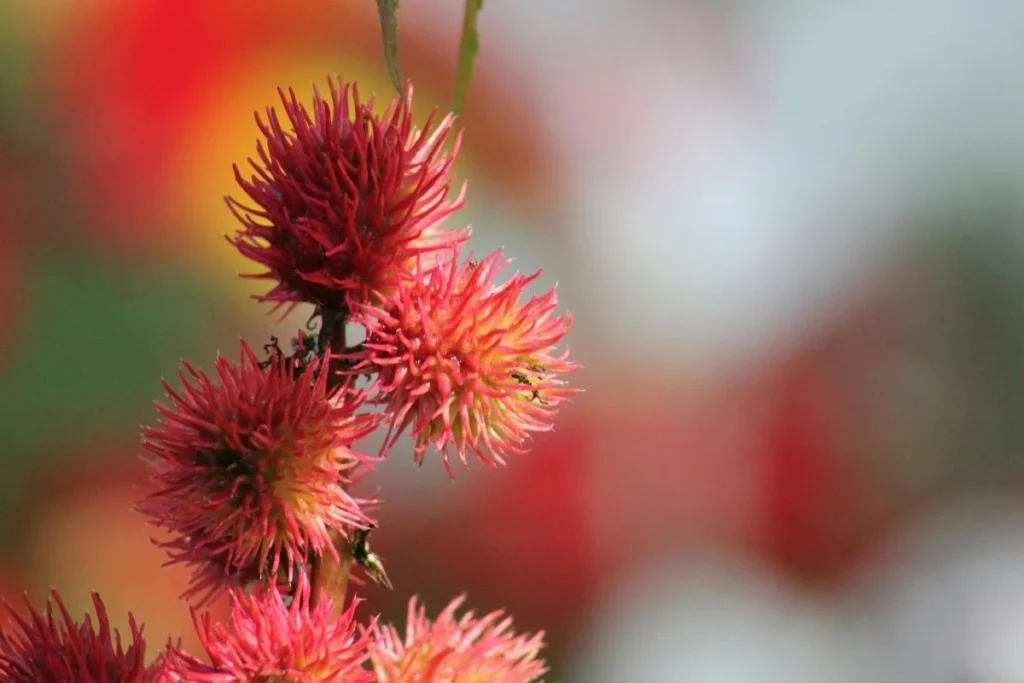
- Primary Toxic Compounds: Ricin, a highly potent toxin.
- Most Dangerous Parts: The beans or seeds. The outer shell of the seed must be broken or chewed for the ricin to be released. A single chewed seed can be lethal.
- Symptoms of Ingestion: Symptoms are often delayed for 12-48 hours. They include severe bloody vomiting and diarrhea, weakness, abdominal pain, tremors, dehydration, and death.
- Toxicity Level: Severe.
19. Wisteria (Wisteria species)
- Primary Toxic Compounds: A lectin and wisterin glycoside.
- Most Dangerous Parts: The seeds and pods are the most toxic parts, although the entire plant is considered poisonous.
- Symptoms of Ingestion: Repeated vomiting (sometimes with blood), diarrhea, abdominal pain, and dehydration after ingestion of the seeds.
- Toxicity Level: Moderate.
20. Clematis (Clematis species)
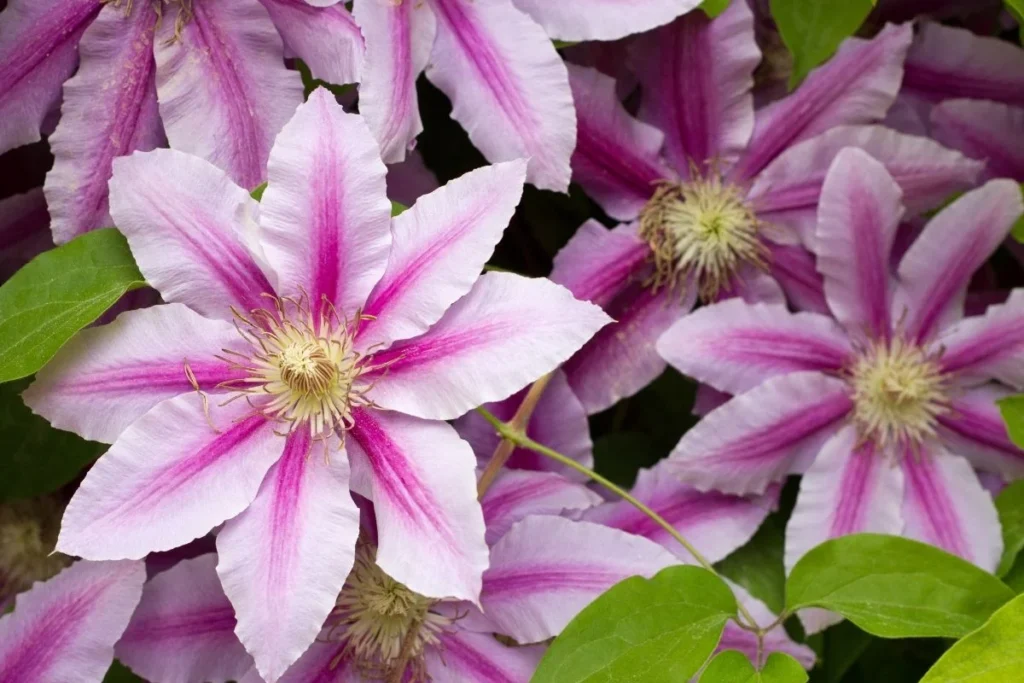
- Primary Toxic Compounds: Protoanemonin, an irritant glycoside.
- Most Dangerous Parts: All parts of the plant.
- Symptoms of Ingestion: The compound has a very acrid taste that usually prevents dogs from ingesting a large amount. Symptoms are typically mild and include drooling, vomiting, and diarrhea.
- Toxicity Level: Mild.
21. Dumb Cane (Dieffenbachia seguine)
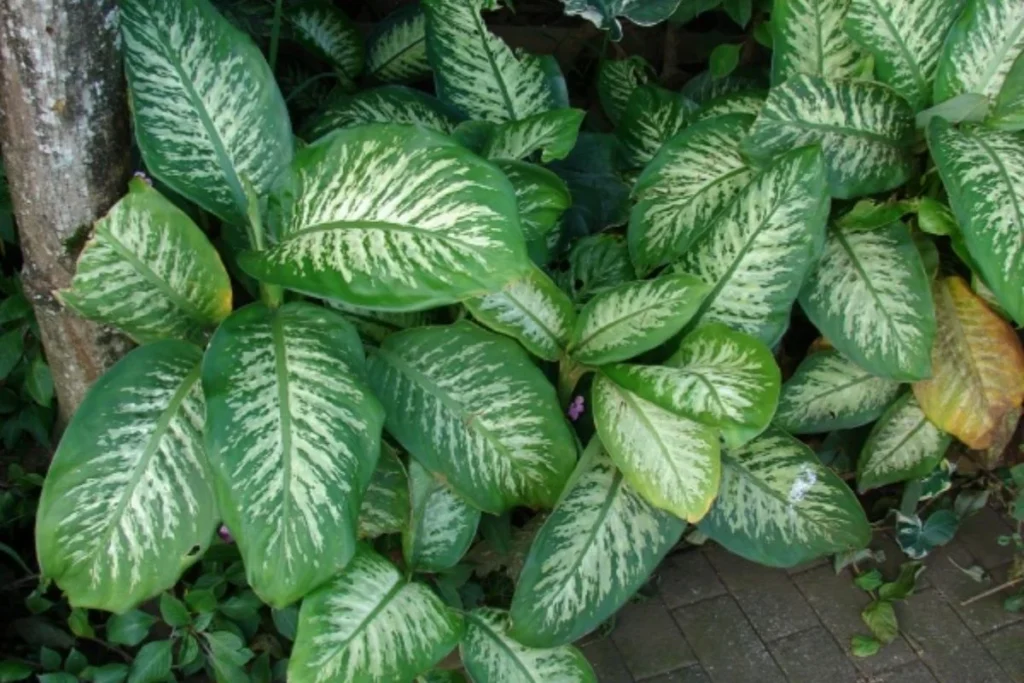
- Primary Toxic Compounds: Insoluble calcium oxalate crystals and proteolytic enzymes.
- Most Dangerous Parts: All parts of the plant.
- Symptoms of Ingestion: Chewing causes the sharp, microscopic crystals to embed in the tissues of the mouth, causing intense pain and burning, severe drooling, pawing at the mouth, vomiting, and swelling of the tongue and throat that can lead to difficulty breathing.
- Toxicity Level: Moderate.
22. Elephant Ear (Caladium species)
- Primary Toxic Compounds: Insoluble calcium oxalate crystals.
- Most Dangerous Parts: All parts of the plant.
- Symptoms of Ingestion: The symptoms are identical to those of Dumb Cane: intense oral irritation, burning, severe drooling, and swelling of the mouth and throat.
- Toxicity Level: Moderate.
23. Morning Glory (Ipomoea species)
![Morning Glory flowers, whose seeds contain compounds that can be toxic to dogs.]](https://lifes101.com/wp-content/uploads/2025/09/Morning-Glory-Ipomoea-species-1024x683.webp)
- Primary Toxic Compounds: Lysergic alkaloids.
- Most Dangerous Parts: The seeds contain the highest concentration of the toxins.
- Symptoms of Ingestion: Gastrointestinal signs like vomiting and diarrhea are most common. In cases of large seed ingestion, it can lead to more serious neurological signs like agitation, disorientation, and hallucinations.
- Toxicity Level: Moderate.
24. Lantana (Lantana camara)
- Primary Toxic Compounds: Pentacyclic triterpenoid saponins.
- Most Dangerous Parts: The unripe green berries are the most toxic part. The leaves are also toxic.
- Symptoms of Ingestion: Vomiting, diarrhea, weakness, and labored breathing. In severe cases, it can lead to liver failure.
- Toxicity Level: Moderate.
25. Nightshade (Atropa belladonna)
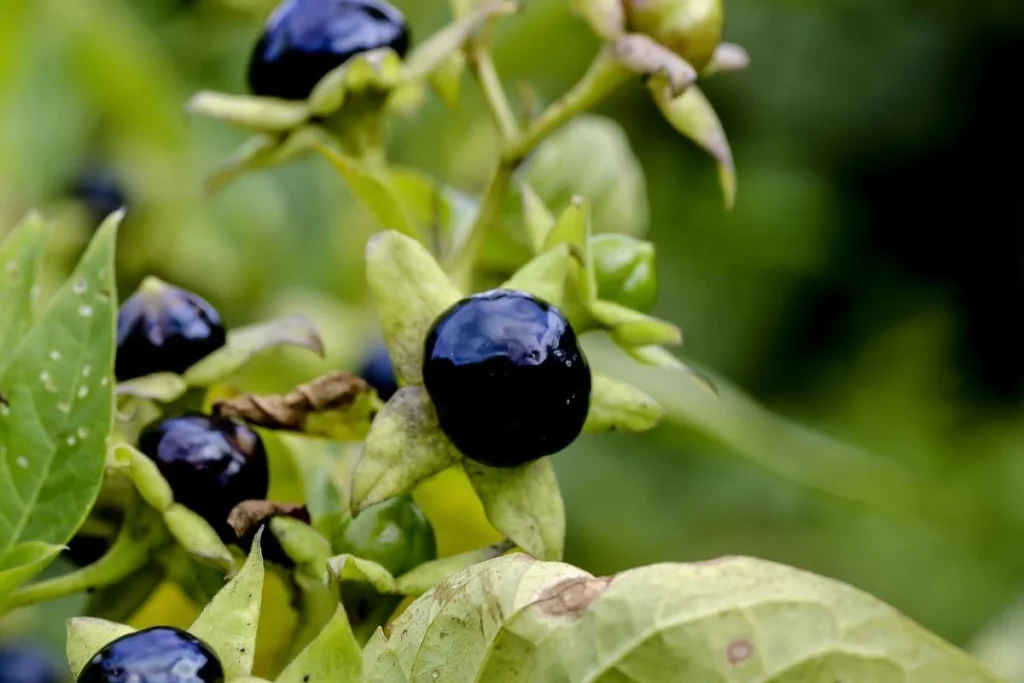
- Primary Toxic Compounds: Atropine and scopolamine.
- Most Dangerous Parts: All parts of the plant are highly toxic, especially the sweet-tasting berries.
- Symptoms of Ingestion: Dilated pupils and light sensitivity, disorientation, stumbling, increased heart rate and respiration, constipation, confusion, and hallucinations.
- Toxicity Level: Severe.
26. Chrysanthemum / “Mums” (Chrysanthemum species)
![Colorful Chrysanthemum flowers, a common garden plant that is toxic to dogs.]](https://lifes101.com/wp-content/uploads/2025/09/Chrysanthemum-_-_Mums_-Chrysanthemum-species-1024x683.webp)
- Primary Toxic Compounds: Pyrethrins (which are used in some dog flea and tick medications but are toxic when ingested), and sesquiterpene lactones.
- Most Dangerous Parts: All parts of the plant, including the flowers, leaves, and stems.
- Symptoms of Ingestion: Drooling, vomiting, diarrhea, and a loss of coordination or stumbling (ataxia). In some sensitive dogs, direct contact with the plant can also cause skin inflammation or a rash (contact dermatitis).
- Toxicity Level: Mild to Moderate.
27. Begonia (Begonia species)
- Primary Toxic Compounds: Soluble calcium oxalates.
- Most Dangerous Parts: The toxins are found in the whole plant, but are most concentrated in the underground tubers. Dogs that like to dig are at a higher risk.
- Symptoms of Ingestion: Chewing on the plant can cause oral irritation, intense mouth burning, drooling, and vomiting. Ingesting the tuber can lead to more severe signs, including kidney problems similar to Rhubarb poisoning.
- Toxicity Level: Moderate.
28. Holly (Ilex species)
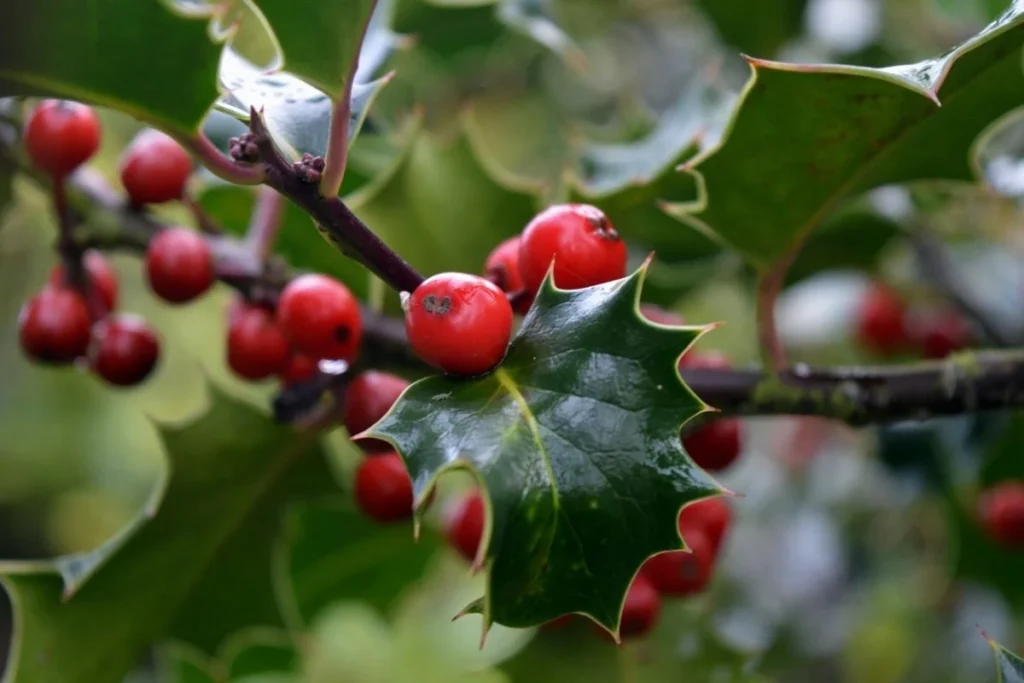
- Primary Toxic Compounds: Saponins, as well as small amounts of theobromine (the stimulant found in chocolate).
- Most Dangerous Parts: The leaves and berries are considered toxic. The spiky leaves can also cause physical irritation and injury to the mouth and stomach.
- Symptoms of Ingestion: Dogs often smack their lips, drool, and shake their heads due to the irritating nature of the leaves. Ingestion typically leads to significant vomiting and diarrhea.
- Toxicity Level: Mild to Moderate.
29. Poinsettia (Euphorbia pulcherrima)
- Primary Toxic Compounds: Diterpenoid euphorbol esters and saponins (mild irritants).
- Most Dangerous Parts: The milky white sap found in the leaves and stems.
- Symptoms of Ingestion: Contrary to a popular and persistent myth, Poinsettias are not deadly. Their toxicity is generally mild and often exaggerated. Ingestion typically irritates the mouth and stomach, leading to drooling, lip-licking, vomiting, and occasionally diarrhea. Skin contact with the sap can cause a rash.
- Toxicity Level: Mild.
30. Carnation (Dianthus caryophyllus)
![Carnations, which can cause mild stomach upset and skin irritation in dogs.]](https://lifes101.com/wp-content/uploads/2025/09/Carnation-Dianthus-caryophyllus-1024x683.webp)
- Primary Toxic Compounds: Unknown gastrointestinal irritant.
- Most Dangerous Parts: All parts of the flower.
- Symptoms of Ingestion: The toxic compounds are mild. Ingestion typically leads to mild signs of vomiting and diarrhea. Contact with the plant can also cause a mild skin rash (dermatitis) in some dogs.
- Toxicity Level: Mild.
Beyond the Plant: Hidden Garden Dangers
A dog-safe garden involves more than just choosing the right plants. Be aware of these other common but toxic hazards.
- Pesticides and Insecticides: Products used to kill slugs, snails, and insects can be extremely toxic to dogs, causing seizures and respiratory failure. Always use pet-safe alternatives.
- Fertilizers: While many are low-toxicity, some fertilizers contain bone meal or blood meal, which dogs find tasty but can cause severe pancreatitis or form a solid mass in the stomach. Others contain dangerous amounts of iron.
- Cocoa Mulch: This popular mulch is made from cocoa bean shells, which contain theobromine—the same substance that makes chocolate toxic to dogs. It can cause vomiting, tremors, and seizures.
- Compost: Don’t let your dog raid the compost pile. Decomposing organic matter can grow mycotoxins, which can cause severe illness and tremors.
Building a Fortress of Fun: Proactive Prevention for a Dog-Safe Garden
The best strategy is always prevention. Here’s how to create a garden where you can relax, knowing your dog is safe.
- Know Your Plants: The first step is to identify every plant in your yard. Use a plant identification app or consult a local nursery. Once identified, check them against a trusted toxic plant list.
- Remove or Restrict: The safest option is to remove highly toxic plants entirely. For plants you wish to keep, use attractive fencing, barriers, or place them in raised garden beds that your dog cannot easily access.
- Supervise Actively: Never leave a new puppy or a known chewer unattended in the garden. Active supervision is your best defense against accidents.
- Enrich Their Environment: A bored dog is a destructive dog. Ensure your yard has plenty of safe chew toys, puzzle feeders, or a designated digging spot (like a sandbox) to keep them engaged and away from your plants.
- Focus on Safe Alternatives: The best way to ensure safety is by choosing plants you know are safe.
For a complete guide on what to plant, read our definitive article on (How to Design a Garden Layout Your Dog Won’t Destroy (A Step-by-Step Guide)
Frequently Asked Questions (FAQ) about Toxic Plants for Dogs
Q: My dog chews on grass. Is that normal and safe? A: Yes, it’s a common behavior. Plain lawn grass is generally not toxic, though it can cause an upset stomach. The real danger is from grass treated with chemical fertilizers, pesticides, or herbicides. Always use products labeled as pet-safe for your lawn.
Q: Are plants from a florist just as dangerous? A: Absolutely. Many common flowers in bouquets, especially lilies, are highly toxic. Always keep floral arrangements well out of your dog’s reach and be mindful of any fallen leaves or petals.
Q: Are dried versions of toxic plants still dangerous? A: Yes. The drying process can sometimes even concentrate the toxins in a plant. Treat dried floral arrangements and potpourri with the same caution as living plants.
Conclusion
Your garden should be a source of peace, not anxiety. By arming yourself with knowledge, you can confidently create a space that is a safe and joyful extension of your home for every family member, including the furry ones. This guide serves as your comprehensive reference for identifying the most common toxic plants for dogs, but the principles of prevention and quick action are your most powerful tools.
Always remember, your veterinarian is your most trusted partner in your pet’s health. When in doubt, a quick phone call can save a life.