
You’ve spent hours choosing the perfect perennials, enriching the soil, and arranging your plants just so. You step back to admire your work, only to find your beautiful flower bed looks like a cratered moonscape, with a happy, dirt-nosed dog sitting proudly in the middle.
If this scene is all too familiar, you’re not just frustrated—you’re looking for real solutions. Learning how to stop your dog from digging up flower beds in a way that is both effective and humane is the key to restoring peace to your yard. The good news is, it’s entirely possible.
This guide will detail seven of these proven methods, focusing on positive redirection, smart management, and understanding your dog’s instincts instead of punishment. With these strategies, you can have both a happy dog and a beautiful garden.
First, Understand the “Why”: The Root Causes of Digging
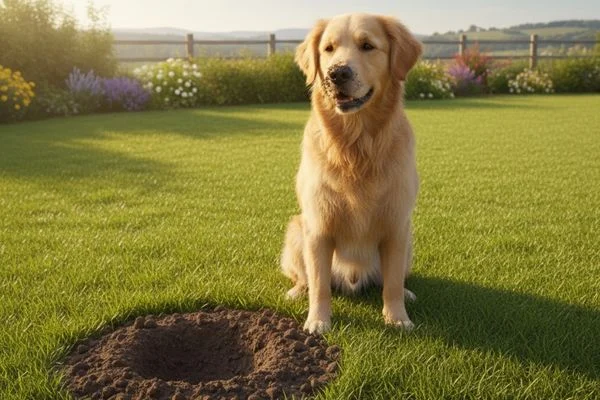
Before we jump into the solutions, it’s crucial to understand why your dog is digging in the first place. Digging isn’t a ‘bad’ behavior performed out of spite; it’s a deeply ingrained instinct. By identifying the motivation, you can choose the most effective solution.
The most common reasons for digging include:
- Boredom & Excess Energy: This is, by far, the number one cause of unwanted digging. A dog is a creature of action and intelligence. If left in a yard for hours with nothing to do, they will invent their own job, and digging is a physically demanding and mentally rewarding task. It expels energy and alleviates boredom.
- Instinct & Prey Drive: Many dog breeds, especially Terriers, Dachshunds, and Beagles, were specifically bred to hunt for prey underground. If your dog is digging frantically at the base of a plant or along a specific line, they are likely following the scent or sound of a mole, gopher, or other burrowing creature.
- Comfort & Temperature Control: On a hot day, the earth just a few inches below the surface is significantly cooler and damp. Dogs will instinctively dig shallow pits to create a cool, comfortable den to lie in and escape the heat. You’ll often see these pits in shady areas or against the cool foundation of your house.
- Anxiety or Escape: Less commonly, digging can be a symptom of a deeper issue. Dogs with separation anxiety may frantically dig along fence lines or near gates in an attempt to escape and find their owners. This type of digging is often paired with other anxious behaviors like whining or destructive chewing. If you suspect this is the cause, consulting a professional dog trainer or veterinarian is recommended.
The 7 Humane Solutions to Protect Your Garden
With an understanding of the motivation, you can now apply these positive, humane strategies to manage the behavior and save your flower beds.
1. Increase Physical Exercise and Mental Enrichment
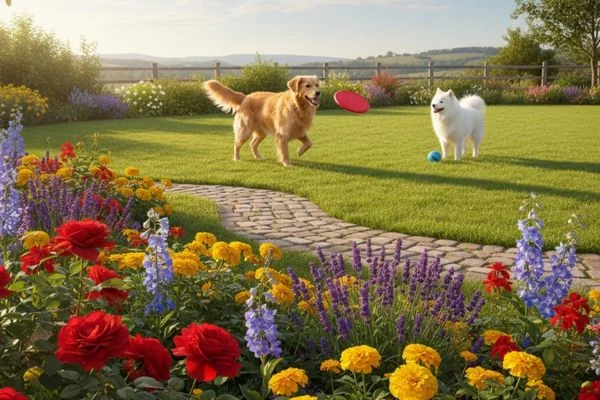
A tired dog is a well-behaved dog. A mentally stimulated dog is a fulfilled dog. Addressing your dog’s core needs for activity is the single most effective way to reduce and often eliminate digging out of boredom.
The Power of Physical Exercise
A quick five-minute potty break in the yard is not enough exercise for most dogs. They need structured activity that gets their heart rate up and allows them to move their bodies.
- Structured Walks: Go beyond a simple “potty walk.” Aim for at least one or two brisk, 30-minute walks per day where your dog is allowed to sniff and explore their environment.
- High-Intensity Play: Dedicate 15-20 minutes to a vigorous game of fetch with a ball or frisbee. A flirt pole (a long pole with a lure on a string) is another fantastic tool for safely letting your dog chase and burn off intense energy.
The Importance of Mental Stimulation
Mental work is just as, if not more, tiring than physical exercise. Engaging your dog’s brain leaves them feeling satisfied and ready for a nap, not looking for trouble.
- Puzzle Toys & Food Dispensers: Ditch the simple food bowl. Feed your dog their meals using puzzle toys, snuffle mats, or treat-dispensing balls. This turns a two-minute meal into a 20-minute problem-solving session.
- Scent Work Games: A dog’s primary sense is their nose. Hide a few high-value treats around the yard (away from the flower beds) and encourage them with a “find it!” command. This provides an outlet for their seeking instincts.
- Training Sessions: Five to ten minutes of positive reinforcement training for new tricks or refreshing old commands is an incredibly powerful way to build your bond and work their brain.
2. Create a Designated “Digging Zone”
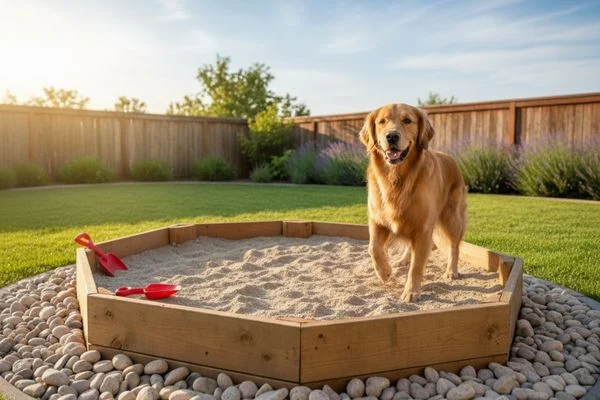
If your dog has a powerful, instinctual drive to dig, sometimes the best solution is not to stop the behavior, but to redirect it to an approved location.
How to Build and Introduce a Digging Box
- Construct the Frame: You can use untreated lumber to build a simple 3×3 or 4×4 foot frame, or simply purchase a child’s plastic sandbox or clamshell pool.
- Choose the Location: Place the box in a part of the yard you don’t mind getting messy, preferably in a shady spot to encourage its use on hot days.
- Fill it Up: Fill the box with contractor-grade play sand or a loose mixture of soil and sand.
- Make it Irresistible: This is the most crucial step. You must make the digging box the most exciting spot in the entire yard. Bury some of their favorite durable toys, long-lasting chews, or high-value treats just under the surface.
- Guide and Reward: Lead your dog to the box, show them the buried treasure, and praise them enthusiastically for any interaction with it. If you catch them starting to dig in a flower bed, give a cheerful “Oops!” and immediately lead them to their digging box, rewarding them the moment their paws touch the sand.
3. Install Smart, Dog-Proof Borders
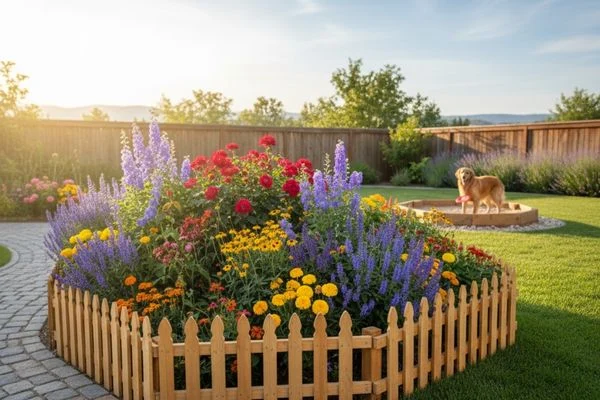
Clear boundaries make for good neighbors, even when that neighbor is your own dog. Physical barriers are a humane and highly effective way to communicate that your flower beds are off-limits.
- Low Fencing: The barrier doesn’t need to be a fortress. Often, a low decorative fence, about 12-18 inches high, is enough to serve as a clear visual and physical deterrent. Options include charming picket-style borders, simple wire-loop fencing, or more modern decorative metal panels.
- Uncomfortable Surfaces: Dogs are tactile creatures and prefer to walk on comfortable surfaces. You can create a “moat” or a wide border around your flower beds using materials that they find unpleasant to walk on. A 12-inch wide border of chunky, uneven wood chips, large, smooth river stones, or even prickly (but not harmful) pinecones can be surprisingly effective at discouraging them from entering.
4. Use Scent and Taste Deterrents (Safely!)

A dog’s powerful nose can be used to your advantage. By making the area around your flower beds smell unpleasant to them, you can create a natural boundary. However, before you try to protect your plants, it’s critical to ensure the plants themselves are non-toxic, as no deterrent is 100% effective against a determined dog.
- Natural Deterrents: Dogs are often repelled by the smell of citrus. You can scatter orange, lemon, or grapefruit peels around the edges of your flower beds (they need to be replaced every few days). Sprinkling a light dusting of cayenne pepper or black pepper can also work, as the spicy smell is irritating to them.
- Homemade Spray: A simple and safe spray can be made by infusing water with citrus peels or a bit of cayenne. A light misting over the leaves can deter a curious chewer.
- Commercial Sprays: Many commercially available, pet-safe deterrent sprays use bitter apple or other unpleasant tastes. These can be particularly effective for dogs who chew on plants and branches.
IMPORTANT SAFETY WARNING: You must be certain that any product or substance you use is non-toxic to your pet. Never use mothballs, ammonia-soaked rags, or other toxic chemicals, as these can cause serious illness or death. When using pepper, be careful that your dog does not inhale it or get it in their eyes. Always opt for products specifically labeled as “pet-safe.”
5. Bury Benign “Surprises” in the Flower Bed
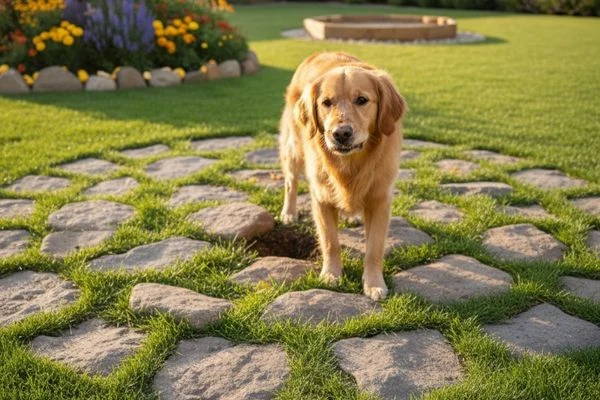
This method isn’t about scaring your dog; it’s about making the act of digging in the wrong place less rewarding and more difficult.
- Bury Rocks: Go to the specific spots where your dog repeatedly digs and partially bury some large, smooth, flat rocks just below the surface. When their paws hit the hard, unyielding rock instead of soft dirt, the satisfying feedback of digging is removed, and they will often give up.
- Lay Down Mesh: You can lay chicken wire or a flexible plastic hardware cloth flat on top of the soil, underneath your mulch. Dogs dislike the feeling of the mesh on their paws when they try to dig and will typically avoid the area. Ensure the edges are safely tucked away so they cannot get a paw caught.
- The Poop Trick: While it may sound unpleasant, this is a surprisingly effective old-school method. Dogs have an instinct to keep their dens clean. Burying some of their own feces in their favorite digging hole can often convince them to abandon that spot for good.
6. Provide Outdoor Comfort and Shelter
If you notice your dog is primarily digging shallow pits on hot, sunny days, the motivation is almost certainly comfort. Address this need directly by providing a far better alternative.
- Superior Shade: Ensure your yard has an easily accessible shady area, whether from a tree, a patio umbrella, or a shade sail.
- Cooling Beds: An elevated mesh cooling bed is a game-changer. It allows for 360-degree airflow, keeping your dog much cooler than lying on the hot ground. Place it in the shady spot, and it will quickly become their preferred napping location.
- Constant Water Access: Always have a large, fresh bowl of cool water available. A properly hydrated dog will have less need to seek out cool, damp earth.
7. Supervise and Redirect Actively
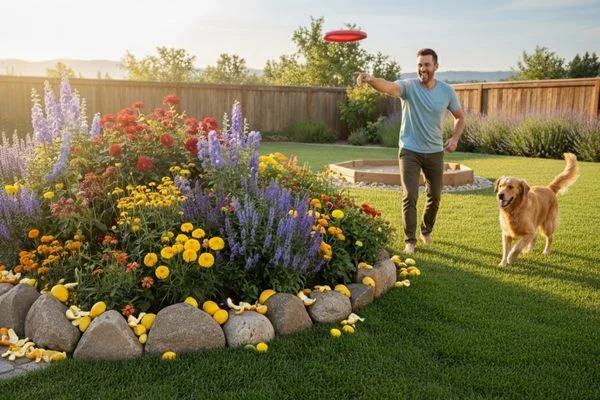
This is the most hands-on method, but it’s also where real, lasting training happens. Don’t just leave your dog unattended in the yard and hope for the best.
- Active Supervision: In the beginning, go outside with your dog. This allows you to prevent the digging behavior before it starts.
- Positive Interruption: The moment you see your dog even approach the flower bed with intent to dig, make a cheerful, attention-grabbing sound like “Oops!” or a quick clap. The goal is to interrupt the behavior without scaring them.
- Redirect and Reward: As soon as they look at you, call them over enthusiastically. Immediately redirect them to an appropriate and highly rewarding activity. Toss a ball, ask for a trick they know, or lead them to their digging box where a hidden treat is waiting. By rewarding the new, positive behavior, you are teaching them what you want them to do, which is far more effective than punishing them for what you don’t want.
What Not to Do: Why Punishment is Ineffective
It’s tempting in a moment of frustration to yell at your dog or drag them over to the hole they dug. This is not only counterproductive but can damage your bond. A dog’s brain does not connect a punishment with an action that happened hours or even minutes ago. Punishing them after the fact only teaches them that you are unpredictable and scary, which can lead to anxiety and a host of other problem behaviors. The goal is to build a relationship based on trust and clear communication, not fear.
The Long-Term Solution: Integrated Garden Design
While these seven tips are fantastic for managing and solving the problem right now, the single best long-term solution is to create a garden that is designed with your dog’s needs in mind from the very start. The tips above are like patching a leaky pipe; a full garden redesign is like installing brand new, perfectly sealed plumbing. When designated paths, play zones, and protected planting areas are part of the core design, these problem behaviors often never even begin.
For a complete blueprint on creating a yard that prevents these problems before they start, our comprehensive pillar post on how to design a garden layout that your dog won’t destroy is your ultimate resource.
Conclusion
Stopping your dog from digging in your precious flower beds isn’t about engaging in a constant battle of wills. It’s about taking on the role of a benevolent leader who understands their dog’s natural instincts and lovingly guides them toward better alternatives. By addressing their core needs for exercise, mental enrichment, and comfort, you can manage and redirect their digging behavior in a positive, humane, and lasting way.
Patience and consistency are your greatest allies. By using these humane strategies, you can absolutely achieve a peaceful coexistence where both your beautiful garden and your happy dog can flourish together. Now you know how to stop your dog from digging up flower beds for good.