Yes, Hostas are poisonous to dogs. The plant contains saponins, which can cause vomiting, diarrhea, and depression if ingested. While rarely fatal, all parts of the hosta plant are toxic to pets.
Hostas are often referred to as the “kings of the shade garden” due to their lush, architectural leaves. However, for a dog owner, this beauty comes with a warning. Although the toxicity level is generally mild to moderate, you still need to know how to manage the risk. This guide covers the specific symptoms of Hosta poisoning, emergency steps if your dog eats a leaf, and safer plant alternatives.
What Makes Hostas Toxic to Dogs?
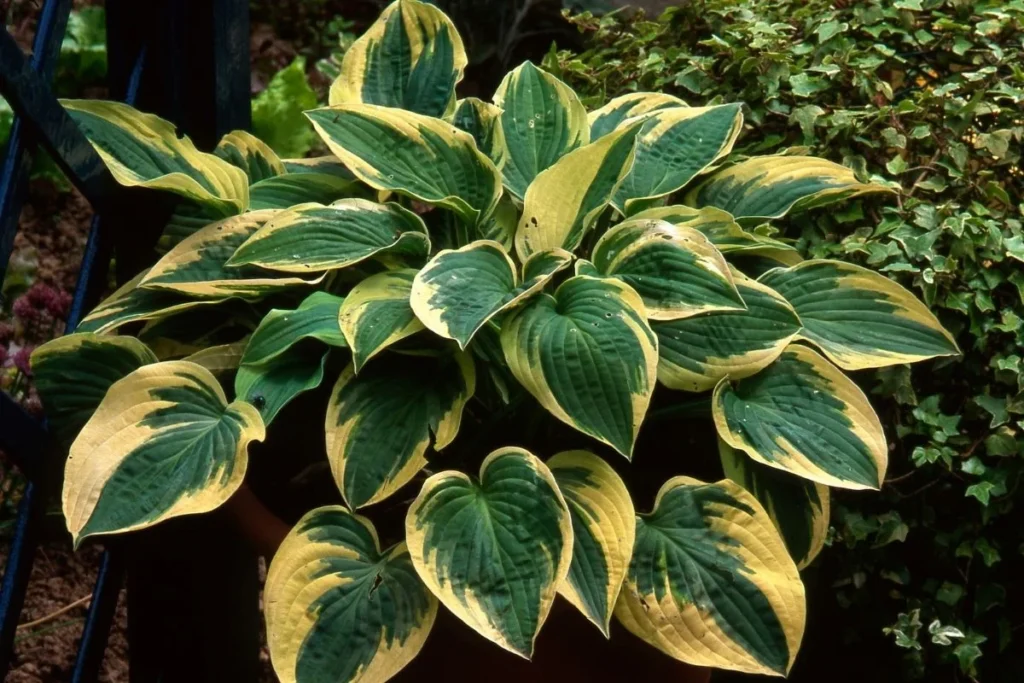
Understanding the “why” behind a plant’s toxicity can help you better assess the risk in your garden. The culprit in this case is a naturally occurring compound that the plant produces to protect itself.
The Toxin in Hostas: Glycoside Saponins
The toxic compounds found in Hostas are called glycoside saponins. This may sound complex, but the concept is quite simple. Saponins are naturally occurring chemicals found in a wide variety of plants. The word ‘saponin’ is related to the word for soap, which suggests one of their properties: they can form a foam when mixed with water. More importantly, they have a bitter, unpleasant taste.
Plants produce these compounds as a natural defense mechanism. Essentially, saponins are a form of built-in pest control, designed to discourage insects and animals from eating the plant.
When a dog ingests a plant containing saponins, these compounds act as a direct irritant to the mucous membranes. They can cause inflammation and discomfort in the mouth, stomach, and entire intestinal tract, leading to symptoms of poisoning.
Are All Parts of the Hosta Plant Toxic?
Yes, the toxic saponins are present throughout the entire Hosta plant. Therefore, the leaves, the flowers, and the underground roots (rhizomes) all contain these compounds. All parts of the plant should be considered poisonous and a potential risk to your dog. There is no “safe” part of a Hosta for a dog to chew on.
Symptoms of Hosta Poisoning in Dogs

Because saponins are digestive irritants, the symptoms of Hosta poisoning are almost always gastrointestinal in nature. If your dog has chewed on or eaten a Hosta, watch for the following signs. Symptoms can appear anywhere from a few minutes to a few hours after ingestion.
- Vomiting. First, this is the most common sign. Your dog’s body will try to expel the irritating substance. You may see pieces of the green Hosta leaf in the vomit. The vomiting may be a one-time event or could occur several times.
- Diarrhea. In addition to vomiting, diarrhea is another widespread symptom. The saponins irritate the intestinal lining, causing loose, watery stool.
- Loss of Appetite: A dog with an upset stomach is unlikely to want to eat. Consequently, if your normally food-motivated dog suddenly refuses their meal or a favorite treat after being in the yard, it can be a clear sign of a problem.
- Abdominal Pain: Gastrointestinal irritation can be painful. You might notice signs of abdominal pain in your dog. For example, they may seem hunched over, whine, groan when you touch their belly, or adopt a “praying” position with their front legs down and their rear end in the air.
- Lethargy or Depression. It’s no fun to have an upset stomach. As a result, your dog may seem unusually tired, uninterested in playing, or generally depressed and withdrawn.
- Excessive Drooling (Hypersalivation): The bitter taste and initial mouth irritation from chewing the leaves can also cause your dog to drool excessively.
What to Do If Your Dog Eats a Hosta Plant (A Step-by-Step Plan)
If you see your dog actively eating a Hosta or find evidence that they have, it’s important not to panic. Instead, follow these simple, logical steps to ensure the best outcome for your pet.
- Remove Your Dog from the Area. Your first and most immediate action is to intervene. Calmly guide your dog away from the plant to prevent them from eating any more. Secure them in a safe area, indoors or on a leash.
- Clear Their Mouth. Gently check inside your dog’s mouth. If there are any remaining leaf or stem pieces, carefully wipe them away with your finger or a soft cloth.
- Contact Your Veterinarian. This is the most essential step. Call your veterinarian or a local emergency animal hospital right away. Even though Hosta toxicity is usually mild, a professional can give you the best advice for your specific dog’s size, age, and health status. They will tell you whether you need to bring your dog in or if you can monitor them at home.
- Gather Important Information When you call your vet, be ready to provide key information. Specifically, they will want to know your dog’s approximate weight, an estimate of how much plant material they ate (e.g., “one large leaf,” “a few bites”), and the time of ingestion.
- Do NOT Induce Vomiting. Never try to make your dog vomit at home unless you are specifically and clearly instructed to do so by a veterinary professional. Sometimes, inducing vomiting can cause more harm and is not the correct treatment.
For urgent, 24/7 help, you can also call a pet poison control hotline. A great resource is the ASPCA Animal Poison Control Center.
Are Hostas Safe for Dogs? Managing the Risk
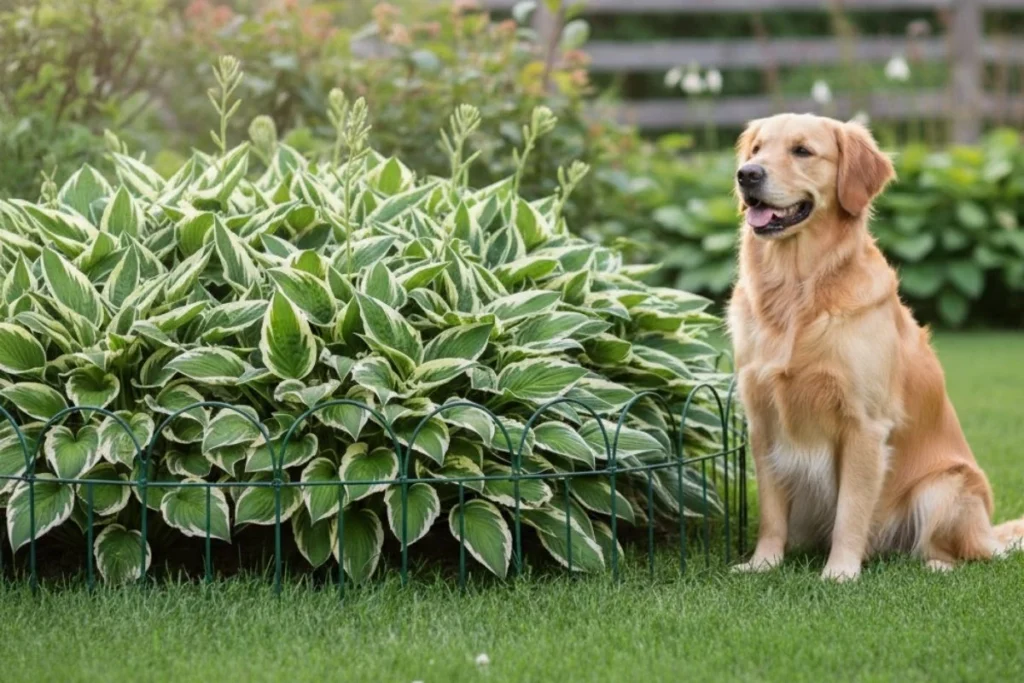
So, if Hostas are toxic, does that automatically mean you have to rip out all of your beautiful, mature shade plants? Not necessarily. Since the toxicity is generally mild and the plant is not particularly tasty to most dogs, many owners choose to manage the risk instead of removing the plants, which is a key part of creating a truly dog-friendly garden layout.”
Option 1: Supervision and Redirection
The first and most effective line of defense is always active supervision. For instance, don’t leave a curious puppy or a known plant-chewer unattended in the garden for long periods. If you see them approach a Hosta, use a positive interrupter and redirect their attention to a safe toy or activity. These same humane methods can also prevent behaviors such as digging.
Option 2: Using Benign Deterrents and Borders
You can make your Hostas less appealing. A simple strategy is to apply a commercial, pet-safe bitter deterrent spray to the leaves. Dogs dislike the taste and will quickly learn to avoid the plant. Additionally, installing a low, decorative border fence can provide a clear visual boundary, which is a significant first step before considering larger fencing solutions for your yard.
Option 3: Choosing Safer Alternatives for Your Shade Garden
If the risk makes you uncomfortable, or if you have a dog that relentlessly chews plants, the safest choice is to replace your Hostas with non-toxic alternatives. Thankfully, many other beautiful, dog-safe plants thrive in the shade. Consider planting beautiful alternatives like Coral Bells (Heuchera) with their colorful foliage, the soft textures of some fern varieties, or the vibrant and playful Polka Dot Plant.
Of course, Hostas are just one of many common plants that can pose a risk to our pets. To create a genuinely safe and beautiful yard, it’s essential to understand the potential dangers of other popular plants. For a complete overview, we highly recommend reading our pillar post, “The Ultimate List of 30+ Common Garden Plants That Are Toxic to Dogs.”
Conclusion
To recap, are Hostas poisonous to dogs? Yes, they are considered mildly to moderately toxic due to the saponins they contain. Ingestion typically causes gastrointestinal upset, such as vomiting and diarrhea. While it’s rarely a life-threatening situation, you should always contact your veterinarian immediately for guidance.
Ultimately, you may not need to declare war on your beloved Hostas. By understanding the risk level, recognizing the symptoms, and using innovative management strategies such as supervision and deterrents, you can continue to enjoy your beautiful shade garden. Most importantly, you can do so while keeping your four-legged friend safe, sound, and out of trouble.